Hydraulic Design for Detention Outlets

What if the key to preventing flooding in your community lies in understanding the intricacies of hydraulic design? As stormwater management becomes increasingly critical, grasping these concepts could lead to sustainable solutions for our environments.
What You Will Learn
- The role of detention basins in managing stormwater runoff and improving water quality.
- Key hydraulic design principles tailored for effective detention basin outlets, including flow dynamics and outlet sizing.
- Various hydraulic modeling techniques, such as 1D, 2D, and CFD modeling, to enhance design efficiency.
- Best practices for ensuring compliance with regulations and optimizing performance in hydraulic designs.
- The importance of sustainability in design, including green infrastructure techniques and community engagement in stormwater management initiatives.
- Future challenges and opportunities in stormwater management, emphasizing climate resilience and regulatory changes.
Key Principles and Best Practices in Hydraulic Design
The following visual summarizes essential principles for effective hydraulic design and best practices for detention basin outlets, emphasizing compliance, performance, and sustainability.
Key Principles of Hydraulic Design
- • Flow dynamics: Understand water movement.
- • Outlet sizing: Ensure appropriate capacity for peak flows.
- • Control mechanisms: Manage water release effectively.
Key Takeaways for Effective Design
- • Compliance: Align designs with local & federal regulations.
- • Performance: Optimize outlet sizing for effective management.
- • Sustainability: Integrate eco-friendly techniques.
Best Practices for Outlet Design
- • Multi-stage outlets for various storm events.
- • Accurate flow rate calculations for sizing.
- • Environmental considerations (ecological impacts).
- • Ongoing maintenance features (debris racks).
Hydraulic Modeling Techniques
- • 1D Modeling: Simple flow analysis.
- • 2D Modeling: Comprehensive surface flow view.
- • CFD Modeling: Advanced complex flow dynamics.
Understanding Hydraulic Design in Detention Basin Outlets
As someone deeply invested in the field of stormwater management, I often see the necessity of understanding hydraulic design in the context of detention basin outlets. These structures play a pivotal role in managing excess stormwater, ensuring that our communities can cope with the challenges posed by heavy rainfall. In this section, we’ll explore the significance of detention basins and dive into the principles that guide their hydraulic design.
Defining Detention Basins and their Importance in Stormwater Management
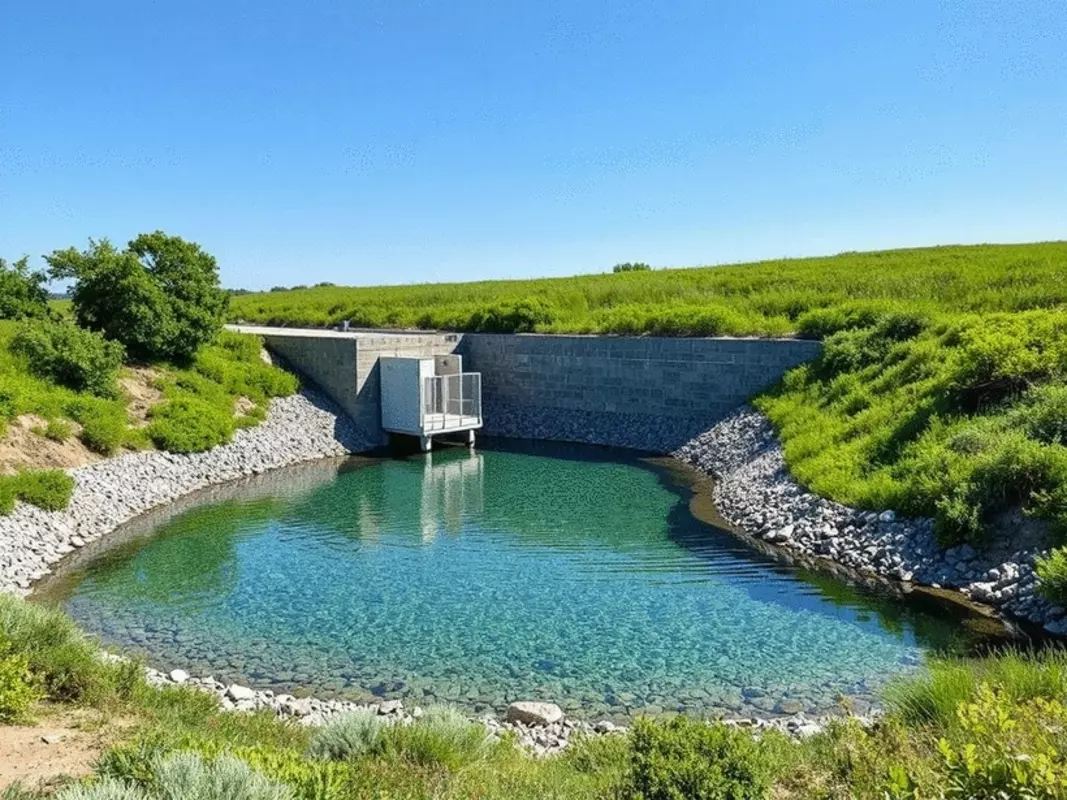
Detention basins are engineered systems designed to temporarily hold stormwater runoff. Their primary purpose is to mitigate flooding and improve water quality before the water is released into natural waterways. By understanding the role of these basins, we can appreciate their importance in enhancing flood control and protecting our ecosystems.
- They help to control the rate of runoff and prevent flooding.
- Detention basins allow for sedimentation and filtration, improving water quality.
- They act as a buffer against pollution from urban runoff.
In essence, well-designed detention basins serve as a key component of effective stormwater management, providing both immediate and long-term benefits to our environment. For more detailed information on their role in stormwater management, you can refer to resources like this overview of stormwater detention ponds.
Key Principles of Hydraulic Design for Outlets
When it comes to hydraulic design for detention basin outlets, several principles must be adhered to ensure optimal performance. Understanding these principles is crucial for engineers and municipal planners alike. Key considerations include:
- Flow dynamics: Understanding how water moves through the system is essential.
- Outlet sizing: Ensuring that outlets are appropriately sized to handle peak flows.
- Control mechanisms: Implementing controls that manage water release effectively.
Each of these principles contributes to the overall reliability and functionality of the detention basin. By applying these concepts, we can enhance the basin’s ability to perform during storm events. Further insights into hydraulic design principles can be found in publications like this USGS scientific investigations report.
Exploring Hydraulic Modeling Techniques for Effective Design
Hydraulic modeling is a critical tool in the design process of detention basins. These techniques allow us to simulate how water will interact with the basin during different storm scenarios. Some common modeling approaches include:
- 1D modeling: Simple and effective for basic flow analysis.
- 2D modeling: Provides a more comprehensive view of surface flow and interactions.
- CFD modeling: Advanced simulations that can capture complex flow dynamics.
By leveraging these hydraulic modeling techniques, we can make informed decisions that enhance the design and efficiency of detention basin outlets, ultimately leading to better water management solutions. For practical applications and exercises in hydraulic design, the FHWA Hydraulic Toolbox offers valuable resources.
Pro Tip
Did you know? Incorporating a multi-stage outlet design can significantly enhance the effectiveness of your detention basins. This approach allows for better management of varying storm intensities, ensuring that your system can handle both minor rain events and heavy downpours efficiently. By designing your outlets to accommodate diverse flow conditions, you not only improve flood control but also enhance water quality through effective sedimentation and filtration processes.
Frequently Asked Questions About Hydraulic Design in Detention Basins
Here are some common questions regarding hydraulic design for detention basin outlets and stormwater management:
- What is the primary purpose of detention basins?
- Detention basins are engineered systems designed to temporarily hold stormwater runoff to mitigate flooding and improve water quality before the water is released into natural waterways.
- What are the key principles of hydraulic design for detention basin outlets?
- Key principles include understanding flow dynamics, ensuring appropriate outlet sizing to handle peak flows, and implementing effective control mechanisms to manage water release.
- What types of hydraulic modeling techniques are used in detention basin design?
- Common techniques include 1D modeling for basic flow analysis, 2D modeling for a comprehensive view of surface flow, and CFD modeling for advanced simulations of complex flow dynamics.
- Why is compliance with regulations important in hydraulic design?
- Aligning designs with local and federal regulations is crucial to avoid future complications, ensure the safety and effectiveness of the infrastructure, and meet environmental standards.
- How can sustainability be integrated into hydraulic designs?
- Sustainability can be integrated by incorporating environmentally friendly techniques such as green infrastructure, minimizing ecological impacts, and designing for long-term resilience.
Summarizing Key Takeaways for Effective Hydraulic Design
In our journey through hydraulic design for detention basin outlets, we’ve explored numerous essential principles. To ensure we’re all on the same page, let's highlight some key takeaways that harmonize compliance, performance, and sustainability!
- Compliance with Regulations: Always align your designs with local and federal regulations to avoid future complications.
- Performance Optimization: Focus on efficient outlet sizing to manage stormwater effectively and reduce flooding risks.
- Sustainability Practices: Incorporate environmentally friendly techniques, such as green infrastructure, to enhance the resilience of your designs.
By balancing these three elements, we can create detention basin outlets that not only meet current needs but also stand the test of time. It's exciting to think about the positive impact these practices can have on our communities!
Recap of Best Practices for Hydraulic Design of Detention Basin Outlets
As we wrap up this section, it's crucial to revisit the best practices we've discussed for hydraulic design. Adopting these methodologies can significantly improve the effectiveness of your designs.
- Multi-Stage Outlet Designs: Tailor your designs to handle various storm events, considering factors such as rainfall intensity and duration.
- Accurate Flow Rate Calculations: Use essential equations to size your outlets appropriately, ensuring optimal water management.
- Environmental Considerations: Factor in the ecological impacts during the design phase, striving for minimal disruption to local habitats.
- Ongoing Maintenance: Implement features that facilitate maintenance and prevent clogs, such as debris racks and accessible designs.
These best practices not only enhance hydraulic performance but also ensure that your detention basins contribute positively to stormwater management efforts. Remember, every small detail counts in creating effective water management solutions!
Engaging with Real-World Applications and Case Studies
Let’s delve into how these principles apply in the real world! Understanding regional approaches and their effectiveness can provide valuable insights.
Highlighting Regional Approaches: A Comparison of Practices
Across different regions, stormwater management practices can vary significantly based on local regulations, climate conditions, and community needs. Here are some examples:
- Urban Areas: Often prioritize multi-stage outlet designs to handle high-intensity storms, incorporating advanced technologies.
- Rural Regions: May focus on integrating natural systems and green infrastructure to promote biodiversity while managing runoff.
- Coastal Communities: Need to address sea-level rise in their designs, incorporating climate resiliency strategies into their stormwater systems.
These comparisons highlight the importance of tailoring stormwater management strategies to specific regional challenges and opportunities.
Future Outlook: Preparing for Evolving Regulations and Climate Challenges
As we look to the future, staying informed about evolving regulations and climate challenges is essential for effective detention basin design. Consider these points:
- Stay updated with local and federal policies that govern stormwater management.
- Anticipate the impacts of climate change on precipitation patterns and incorporate adaptive strategies.
- Engage with stakeholders to foster collaborative approaches to stormwater management.
By being proactive and adaptable, we can ensure our designs are robust enough to meet future challenges!
Community Engagement in Stormwater Management Initiatives
Finally, community involvement plays a pivotal role in successful stormwater management initiatives. Here are some effective strategies:
- Educational Workshops: Host sessions to inform the community about the importance of detention basins and stormwater management.
- Public Participation: Encourage community members to participate in planning processes to address local needs and concerns.
- Collaboration with Local Organizations: Partner with local groups to promote sustainable practices and increase awareness.
Engaging the community not only enhances understanding but also fosters a collective commitment to effective stormwater management strategies!
Next Steps and Resources for Further Learning
As you continue your journey in hydraulic design, there are numerous resources available to further enhance your understanding and capabilities. Let’s explore some valuable next steps!
Accessing Interactive Tools and Calculators for Design Assistance
Utilizing interactive design tools can greatly simplify your calculations and enhance your designs. Consider exploring:
- Online Design Calculators: Many websites offer tools specifically tailored for detention basin design, helping streamline your calculations.
- Software Applications: Programs like HEC-RAS can provide advanced modeling capabilities for your designs.
These resources can save time and increase accuracy in your designs, making your work more efficient!
Connecting with Professional Networks and Continuing Education Opportunities
Engaging with professional organizations can provide you with valuable insights and ongoing education. Here’s how to get started:
- Join Professional Associations: Organizations like ASCE offer resources, networking opportunities, and industry insights.
- Attend Conferences and Workshops: These events are great for learning about the latest innovations in stormwater management.
Networking with other professionals can provide support and inspiration as you navigate your hydraulic design journey!
Importance of Site Assessment and Site-Specific Studies in Design Planning
Finally, never underestimate the value of site assessments in your design planning. Each site presents unique challenges and opportunities!
- Conduct Thorough Assessments: Understand the local hydrology, soil conditions, and environmental factors that affect your design.
- Utilize Local Data: Incorporate historical data to inform your designs and anticipate future conditions.
By prioritizing site-specific studies, you can create more effective and responsive hydraulic designs!
Recap of Key Points
Here is a quick recap of the important points discussed in the article:
- Importance of Detention Basins: They control runoff, improve water quality, and mitigate flooding.
- Hydraulic Design Principles: Consider flow dynamics, outlet sizing, and control mechanisms for effective performance.
- Modeling Techniques: Utilize 1D, 2D, and CFD modeling to enhance design accuracy and efficiency.
- Regulatory Compliance: Align designs with local and federal regulations to avoid complications.
- Sustainability Practices: Incorporate environmentally friendly techniques to enhance resilience.
- Community Engagement: Foster public participation and educational initiatives for effective stormwater management.