Detention Basins and Flood Safety

What if a simple structure could significantly reduce the risk of flooding in your community? Flood detention basins do just that, capturing excess stormwater and releasing it slowly to prevent overwhelming drainage systems. Let's explore how these vital infrastructures play a crucial role in stormwater management.
What You Will Learn
- Flood detention basins temporarily store stormwater and release it gradually, helping to prevent downstream flooding.
- Effective management of peak flow reduces the risk of flash floods and protects vulnerable infrastructure.
- A comprehensive cost-benefit analysis is essential for evaluating the investment in detention basins versus potential flood damage.
- Hydraulic modeling is key for optimizing the design and function of detention basins to ensure they effectively manage stormwater.
- Community engagement is vital for promoting flood risk reduction initiatives and ensuring sustainable management practices.
- Future advancements, such as smart technology and green infrastructure, could enhance the performance of detention basins in flood management.
The Multifaceted Role of Flood Detention Basins
Detention basins are critical for managing stormwater, protecting communities, and supporting ecosystems. The visual below highlights their core functions and the strategic considerations behind their implementation.
Detention Basin Core Function: Stormwater Management
Temporarily stores stormwater runoff and releases it slowly, reducing downstream flooding and improving water quality.
Key Benefits & Mechanics
• Peak Flow Reduction
• Flow Rate Management
• Flood Impact Mitigation
• Water Quality Improvement
By controlling runoff, basins protect vital infrastructure and ecosystems.
Strategic Considerations
• Cost-Benefit Analysis
• Policy & Funding
• Hydraulic Modeling
• Tech Integration (Smart Basins)
Balancing initial investment with long-term flood damage reduction.
Understanding Flood Exposure Redistribution Through Detention Basins
Flood detention basins are crucial structures designed to manage stormwater runoff. They act like temporary storage solutions, capturing excess rainfall and preventing it from overwhelming our drainage systems. By holding back water for a time, these basins play a vital role in mitigating flooding and maintaining the health of our waterways.
At Detention Basin Explained, we strive to demystify these essential elements of stormwater management. Understanding their function is key to appreciating how they contribute to effective flood control and environmental protection in our communities. For more detailed information on stormwater management, you can refer to resources like those provided by the South Florida Water Management District.
What are Flood Detention Basins and How Do They Function?
Flood detention basins function by temporarily storing stormwater and releasing it slowly over time. When it rains, these basins collect runoff, allowing it to infiltrate into the ground or be gradually released, reducing the risk of downstream flooding. They also provide a space for pollutants and sediments to settle out, improving the quality of water that eventually flows into our rivers and lakes. The New Jersey Department of Environmental Protection offers further insights into the common projects and regulations surrounding stormwater basins.
- Storage Capacity: The size and design of a detention basin determine how much water it can hold.
- Outlet Structures: These are engineered features that control the rate at which stormwater is released.
- Maintenance Needs: Regular upkeep is essential to ensure the basin functions effectively over time.
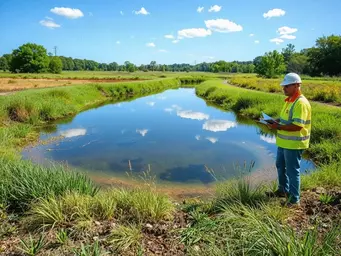
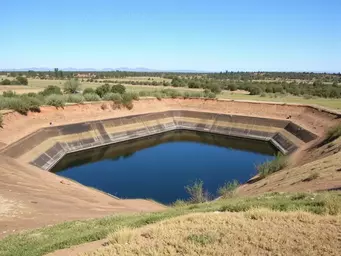
Seeing these basins in action can be enlightening! Imagine a heavy rainstorm, followed by a gradual return to normal water levels—this is the magic of flood detention basins at work.
The Mechanics of Stormwater Management: Controlling Peak Flow
One of the primary functions of detention basins is to manage peak flow during storm events. When rain falls on an area, the immediate runoff can lead to flash flooding if not controlled. Detention basins help by temporarily holding back the water and then releasing it slowly. This process helps to maintain a balanced flow in rivers and streams, reducing the risk of erosion and property damage downstream.

- Peak Flow Reduction: By controlling how much water enters the drainage system at once.
- Flow Rate Management: Ensuring that water is released at a safe, manageable rate.
- Flood Impact Mitigation: Protecting downstream communities from sudden flooding.
It's a fascinating interplay between nature and engineering! By understanding these mechanics, we can appreciate the intricate design involved in creating effective stormwater management solutions.
Analyzing Economic and Policy Trade-offs in Flood Risk Management
When we talk about flood exposure redistribution, it's important to consider the economic and policy ramifications. Effective flood risk management involves balancing costs with benefits. For example, in China, investments in detention basins have shown significant long-term savings in flood damage reduction. However, initial construction and maintenance costs can be a barrier for some municipalities.
- Cost-Benefit Analysis: Evaluating the overall value of investing in detention basins versus potential flood damage.
- Policy Support: Understanding how local regulations and funding opportunities impact implementation.
- Case Studies: Learning from successful examples, like those in urban areas of China, can guide future projects.
By taking a holistic view of these factors, we can advocate for informed decision-making that leads to sustainable flood management solutions.
The Role of Hydraulic Modeling in Flood Risk Mitigation
Hydraulic modeling plays a crucial role in assessing the effectiveness of detention basins. Engineers use sophisticated simulations to predict how water will flow through a basin during rainfall events. This modeling helps identify design improvements and optimize placement for maximum benefit.
- Simulation Tools: Utilizing software to model different storm scenarios and their impacts.
- Design Optimization: Adjusting basin design based on model outputs to enhance performance.
- Performance Evaluation: Continuously assessing the basin's ability to manage stormwater effectively.
As an environmental engineer, I find it exciting how technology can inform our approach to flood risk mitigation! Understanding hydraulic modeling not only enhances our designs but also boosts community confidence in flood management strategies.
Pro Tip
To maximize the effectiveness of detention basins in your community, consider advocating for the integration of green infrastructure alongside traditional designs. Techniques such as rain gardens, permeable pavements, and vegetated swales can enhance water absorption and filtration, ultimately improving both flood management and water quality. The Lower Raritan Watershed Council provides an excellent example of the multifaceted benefits of stormwater detention basins, including their role in supporting local ecosystems like butterfly habitats.
Summarizing the Importance of Detention Basins in Flood Risk Reduction
In today's world, where climate change impacts our weather patterns, the importance of flood detention basins has never been clearer. These engineered structures are essential for managing stormwater runoff and protecting our communities from flooding. By capturing excess rainwater, detention basins allow it to be released slowly, significantly reducing the risk of downstream flooding and protecting vital infrastructure. They are not just structures; they are lifelines for many neighborhoods, ensuring safety and sustainability!

Moreover, detention basins also improve water quality by allowing sediments and pollutants to settle before the water is released into nearby rivers and streams. This means that these systems contribute not just to flood control but also to the health of our local ecosystems. It’s fascinating to see how a well-designed detention basin can create a ripple effect of positive outcomes for both people and wildlife!
Frequently Asked Questions About Flood Detention Basins
Q: What is the primary purpose of a flood detention basin?
A: The primary purpose of a flood detention basin is to temporarily store excess stormwater runoff during heavy rainfall events and then release it slowly over time. This helps to prevent or mitigate downstream flooding by reducing the peak flow rates of water entering drainage systems and natural waterways.
Q: How do detention basins improve water quality?
A: Detention basins improve water quality by allowing stormwater to settle. During this settling period, sediments, pollutants, and debris carried by the runoff can drop to the bottom of the basin before the water is gradually released. This process reduces the amount of harmful substances entering rivers, lakes, and other water bodies.
Q: What is "peak flow reduction" in the context of detention basins?
A: Peak flow reduction refers to the ability of detention basins to decrease the maximum volume of water flowing through a drainage system or waterway at any given time during a storm. By holding back large amounts of water temporarily, basins prevent the rapid surge of water that can cause flash floods, erosion, and damage to infrastructure downstream.
Q: Why is hydraulic modeling important for detention basins?
A: Hydraulic modeling is crucial for designing and optimizing detention basins. Engineers use these simulations to predict how water will behave within a basin under various storm conditions. This allows them to refine the basin's size, shape, and outlet structures to ensure it effectively manages stormwater and achieves its flood mitigation goals.
Q: How can communities get involved in flood risk reduction initiatives?
A: Communities can get involved in flood risk reduction by attending local meetings on flood management, joining environmental sustainability groups, advocating for policies that support the construction and maintenance of detention basins, and sharing information on social media to raise awareness. Active community engagement helps foster innovative and sustainable flood management practices.
Future Directions for Flood Management Strategies
As we look ahead, advancements in technology and policy could greatly enhance the effectiveness of detention basins. Here are some exciting prospects:
- Integration of smart technology to monitor water levels and automate controls.
- Incorporation of green infrastructure practices that work in tandem with traditional basins.
- Policy changes that encourage the use of natural solutions, such as wetland restoration.
- Public engagement initiatives to foster community involvement in flood management.
These advancements could lead to more resilient flood management systems that adapt to changing environmental conditions. By staying proactive, we can ensure that detention basins continue to serve their crucial purpose in our communities.
Emergency Management and Disaster Preparedness: The Role of Detention Basins
Detention basins play a vital role in emergency management and disaster preparedness. When heavy rains are forecasted, these basins can help mitigate the impact of flooding by temporarily holding large volumes of stormwater. Here’s how they contribute:
- Reducing peak flow rates to protect vulnerable infrastructure during storms.
- Providing a clear plan for emergency response teams to manage excessive runoff.
- Enhancing community resilience by preventing flash floods that could lead to evacuation.
Incorporating detention basins into emergency management strategies not only prepares communities for potential disasters but can also save lives and reduce economic losses. It’s all about being ready and responsive!
Engage with Your Community: Share Insights and Experiences
I invite you to consider how you can be part of the solution in your own community! Engaging with local initiatives focused on flood risk reduction can amplify the positive impact of detention basins. Here are a few ways to get involved:
- Attend local meetings discussing flood management strategies.
- Join community groups focused on environmental sustainability.
- Advocate for policies that support the construction and maintenance of detention basins.
- Share your insights on social media to raise awareness about the importance of flood management.
By actively participating, we can collectively enhance our understanding of flood mitigation and inspire innovative solutions tailored to our unique environmental challenges. Let’s work together to create safer, more resilient communities!
Recap of Key Points
Here is a quick recap of the important points discussed in the article:
- Flood detention basins temporarily store stormwater, helping to prevent flooding and protect water quality.
- Effective management of peak flow during storms reduces erosion and property damage downstream.
- Economic considerations, such as cost-benefit analysis and policy support, are essential for successful implementation of detention basins.
- Hydraulic modeling is crucial for optimizing the design and performance of detention basins.
- Advancements in technology and community engagement can enhance the effectiveness of flood management strategies.