Calculating Detention Basin Volume
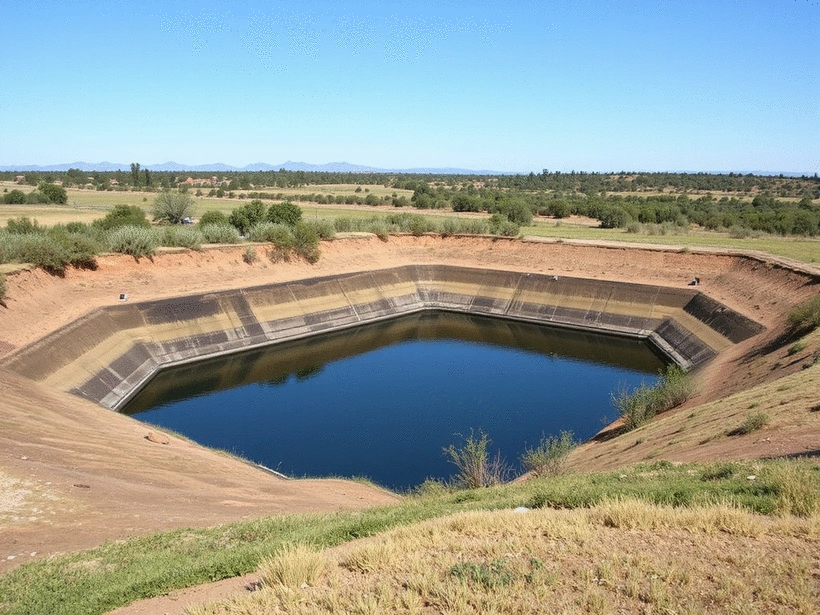
What if one miscalculation could lead to devastating floods in your community? Understanding how detention basins manage stormwater is not just about engineering; it's about safeguarding lives and environments. Let's explore the essential knowledge surrounding these critical structures.
What You Will Learn
- Detention basins play a vital role in flood control by capturing and managing stormwater runoff.
- Accurate volume calculations are crucial to ensure these basins can accommodate expected stormwater volumes.
- Key factors influencing basin performance include base area, depth, inflow/outflow rates, and soil permeability.
- Employing hydrologic methods like the Rational Method can enhance calculation precision and compliance with regulations.
Detention Basin Design: Key Factors & Best Practices for Effective Stormwater Management
Detention basins are vital for flood control and water quality. Their effectiveness hinges on precise volume calculations, influenced by several critical factors and guided by best practices.
Key Factors Influencing Volume Calculation
- 1Base Area & Depth
- 2Inflow & Outflow Rates
- 3Soil Permeability
Implementing Best Practices
- AConduct Thorough Site Assessments
- BEmploy Proper Hydrologic Methods
- CAccount for Local Regulations
Understanding Detention Basin Volume and Its Importance in Flood Control
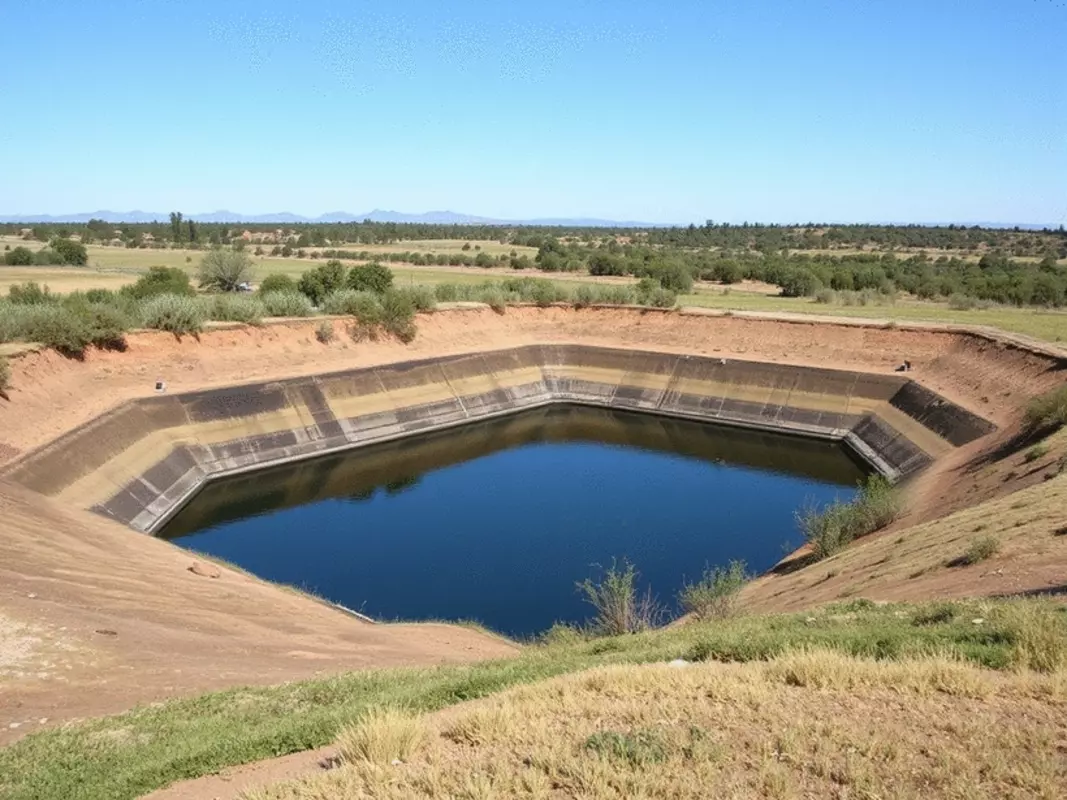
Have you ever wondered how our communities manage the massive amounts of rain that can lead to flooding? This is where detention basins come into play! These engineered structures are vital for storing excess stormwater and controlling its release, thus playing a crucial role in effective flood control.
Detention basins work by capturing stormwater runoff, allowing it to be released slowly over time. This not only helps to prevent flooding but also improves the water quality by allowing sediments and pollutants to settle before the water is discharged into local streams and rivers. Understanding the volume of these basins is essential for ensuring that they function correctly and meet regulatory requirements!

The Role of Detention Basins in Managing Stormwater
- They decrease the peak flow rate of stormwater runoff.
- They promote groundwater recharge by allowing water to infiltrate into the soil.
- They enhance water quality by facilitating sedimentation and filtration.
By effectively managing stormwater, detention basins can significantly reduce the risk of flooding in our communities. It's crucial to consider the design and size of these basins to ensure they can handle the expected runoff from various storm events.
Why Accurate Calculation of Detention Basin Volume is Essential
- To ensure the basin can accommodate the expected runoff volumes during storm events.
- To comply with local regulations and standards set by environmental agencies. The Environmental Protection Agency (EPA) provides guidance on stormwater management, highlighting the importance of proper design.
- To maintain effective flood control and minimize risks to surrounding areas.
As someone who has spent years in environmental engineering, I can attest that improper volume calculations can lead to inadequate designs, resulting in either flooding or ineffective stormwater management. This emphasizes the importance of thorough planning and accurate assessments!
Key Factors Influencing Water Volume Calculation in Detention Basins
- Base area of the basin: The larger the base area, the more water it can hold.
- Depth of the basin: Deeper basins can store more water, but they require careful design to ensure safety and effectiveness.
- Inflow and outflow rates: Understanding how quickly water enters and exits the basin is essential for managing volume. Guidelines from the Ohio EPA illustrate how drawdown times are calculated to prevent rapid release.
- Soil permeability: This affects how quickly water can infiltrate the ground, impacting overall basin performance.
Considering these factors during the design process ensures that detention basins can handle the stormwater they are intended to manage. By paying attention to these details, we can create more effective and sustainable stormwater management systems!
Frequently Asked Questions About Detention Basins
What is the primary purpose of a detention basin?
The primary purpose of a detention basin is to capture and store excess stormwater runoff during heavy rainfall, releasing it slowly over time to prevent downstream flooding and manage water quality.
Why are accurate volume calculations so important for detention basins?
Accurate volume calculations are crucial to ensure that a detention basin can effectively hold the expected volume of stormwater, comply with environmental regulations, and prevent flooding in surrounding areas.
What key factors influence the volume capacity of a detention basin?
Key factors include the basin's base area, its depth, the rates at which water flows into and out of it, and the soil's permeability, which affects how quickly water infiltrates the ground.
What are some best practices for designing and calculating detention basin volume?
Best practices involve conducting thorough site assessments, employing proper hydrologic methods like the Rational Method, and ensuring all calculations adhere to local regulations and guidelines.
How can climate change impact future detention basin designs?
Climate change can alter rainfall patterns, requiring designers to evaluate how these changes might affect basin performance and incorporate flexible design features that can adapt to varying conditions over time.
We Want to Hear From You!
What aspect of detention basin design do you find most challenging? Share your thoughts below:
Bringing It All Together: Summary of Key Takeaways
As we've explored, understanding the intricacies of detention basin design and volume calculations is crucial for effective flood control and stormwater management. By applying best practices, we can ensure that these structures are not only functional but also sustainable. Here are some key takeaways to keep in mind:
- Accurate volume calculations are essential for preventing flooding and managing stormwater effectively.
- Utilizing methods like the Rational Method and Hydrograph Technique can enhance the precision of your calculations.
- Design considerations, such as outlet structures and soil permeability, significantly influence the performance of detention basins. For instance, dry extended detention basins require specific design elements to function optimally.
Implementing these insights can make a substantial difference in your approach to detention basin projects. It's all about creating systems that not only serve our present needs but also anticipate future challenges!

Implementing Best Practices for Detention Basin Volume Calculations
- Conduct thorough site assessments to gather accurate data on rainfall patterns, topography, and soil types.
- Employ proper hydrologic methods, like the Rational Method, to estimate peak flow rates effectively.
- Ensure your calculations account for local regulations and guidelines to maintain compliance.
By adhering to these best practices, engineers and planners can create detention basins that are not only efficient but also resilient against changing environmental conditions. Remember, the goal is to foster a better understanding of how these systems operate in our communities!
Your Next Steps in Detention Basin Design
Practical Applications: Integrating Calculations into Real-World Projects
- Begin with a comprehensive project plan that outlines your objectives and includes detailed calculations.
- Collaborate with other professionals, such as environmental scientists and municipal planners, to ensure all aspects are covered.
- Utilize software tools to model potential outcomes and refine your design based on real-time data.
Taking these steps will help you create more effective detention basins while enhancing collaboration within your team. I encourage you to think about how you can apply these insights to your next project!
Investing in Resources for Ongoing Education and Improvement
- Attend workshops and seminars focused on stormwater management and hydrology.
- Subscribe to industry publications and journals to keep up with the latest research and best practices.
- Engage with professional organizations and networks that specialize in environmental engineering.
These resources can provide you with valuable knowledge and connections that will empower you to improve your detention basin designs continuously. Embrace the learning process—it's an investment in your professional growth!
Considering Climate Change Impact in Future Detention Basin Designs
- Evaluate how changing rainfall patterns could impact your basin's performance.
- Incorporate flexible design features that can adapt to varying conditions over time.
- Stay informed about regulatory changes related to climate resilience and adjust your designs accordingly.
By considering these factors, we can create detention basins that not only meet current needs but also stand the test of time. Let's work together to innovate and design solutions that prepare our communities for the challenges ahead!
Recap of Key Points
Here is a quick recap of the important points discussed in the article:
- Accurate volume calculations are essential for preventing flooding and managing stormwater effectively.
- Utilizing methods like the Rational Method and Hydrograph Technique can enhance the precision of your calculations.
- Design considerations, such as outlet structures and soil permeability, significantly influence the performance of detention basins.
- Conduct thorough site assessments to gather accurate data on rainfall patterns, topography, and soil types.
- Employ proper hydrologic methods to estimate peak flow rates effectively and ensure regulatory compliance.
- Consider climate change impacts and incorporate flexible design features in future detention basin projects.