Sediment Management in Detention Basins
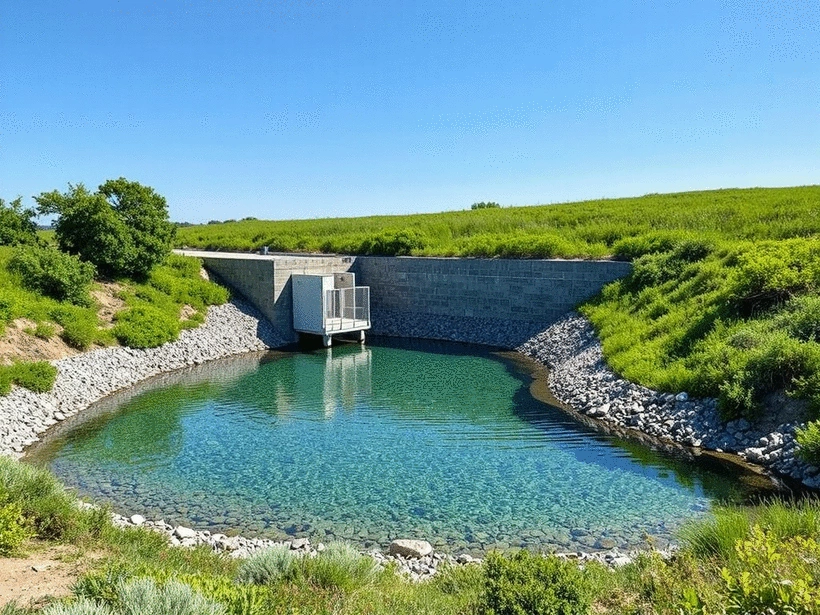
What if I told you that effective stormwater management could significantly reduce flood risks while enhancing water quality? Detention basins are at the forefront of this solution, acting as vital tools for managing runoff. Let’s explore the key insights that will empower you to understand and implement advanced sediment management in detention basin design.
What You Will Learn
- Detention basins are essential for controlling flooding by temporarily storing excess stormwater.
- Effective sediment management principles are crucial for maintaining the functionality of detention basins over time.
- The size and land use of the catchment area greatly influence sediment loads and basin design requirements.
- Implementing erosion control techniques during the design phase can significantly enhance basin longevity and performance.
- Proactive strategies, such as regular sediment assessments and using sediment forebays, help combat rapid filling of basins.
- Understanding the interplay between flood management and sediment transport is vital for effective basin design.
Sediment Management in Detention Basins: Key Principles & Challenges
This visual outlines key principles for effective sediment management and common challenges in detention basin design, emphasizing solutions for longevity and performance.
Key Principles of Effective Sediment Management
- •Design for Sediment Storage
- •Regular Maintenance
- •Vegetative Buffers
Common Sediment Control Challenges
- •Rapid Sediment Accumulation
- •Erosion & Stability Issues
- •Flood-Induced Sediment Transport
Strategies for Efficient Sediment Trapping (Solutions)
- •Regular sediment assessments
- •Utilizing sediment forebays
- •Implementing sediment traps
- •Designing for adequate storage
Erosion Control Techniques for Longevity
- •Gentle side slopes
- •Vegetative stabilization
- •Rock riprap
- •Regular inspections
Understanding Advanced Sediment Management in Detention Basin Design
Have you ever wondered how detention basins play a crucial role in managing stormwater? These engineered structures are designed to temporarily hold excess rainwater, allowing it to gradually infiltrate into the ground or be released at a controlled rate. By capturing stormwater runoff, they help reduce flooding and minimize pollution in our waterways. It's fascinating how they function, isn't it?
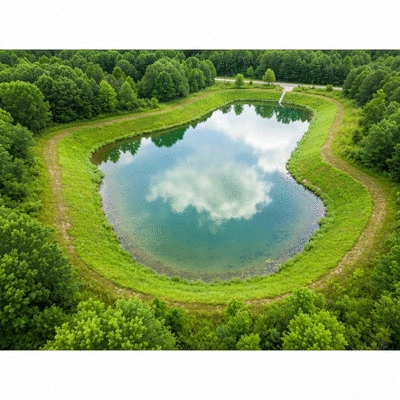
At Detention Basin Explained, we strive to demystify the mechanics behind these systems. Detention basins not only mitigate flooding but also serve as critical elements in effective stormwater management. Understanding their design and operation is fundamental for students, engineers, and municipal planners alike.
What are Detention Basins and Their Role in Stormwater Management?
So, what exactly are detention basins? Imagine them as large, engineered depressions designed to hold stormwater and allow it to settle. Their primary purpose is to control flooding by storing excess runoff during heavy rain events. According to the Delaware Department of Natural Resources and Environmental Control, these basins are vital for managing water quantity and quality. Here are some key functions they perform:
- Flood Mitigation: They help prevent the overflow of local waterways.
- Water Quality Improvement: By allowing sediment to settle, they reduce pollutants in runoff.
- Recharge Groundwater: These basins facilitate the natural infiltration of water back into the soil.
It's remarkable how these basins can significantly improve both the quantity and quality of stormwater that enters our natural systems. They are indispensable tools for achieving sustainable urban development!
Key Principles of Sediment Management in Detention Basins
Managing sediment is a vital aspect of designing effective detention basins. Sediment can accumulate over time, impacting the basin's efficiency and functionality. Here are the key principles to consider for effective sediment management:
- Design for Sediment Storage: Ensure adequate capacity for sediment accumulation over time.
- Regular Maintenance: Implement routine cleanouts to maintain basin performance.
- Vegetative Buffers: Utilize plants around the basin to stabilize soil and reduce erosion.
By incorporating these principles, we can enhance the longevity and effectiveness of our detention basins. Remember, effective sediment management means better performance in flood control and water quality!
Effect of Catchment Area on Sediment Loads in Detention Basins
The interaction between the catchment area and sediment loads is a critical factor in detention basin design. The larger the catchment area, the more runoff and sediment it generates. This relationship can significantly impact how we design these basins. According to the USDA Natural Resources Conservation Service, understanding these dynamics is crucial for effective water and sediment control. Consider these points:
- Land Use Patterns: Urban areas with impervious surfaces generate higher sediment loads.
- Soil Types: Different soils contribute varying amounts of sediment based on their composition.
- Vegetation Cover: Areas with dense vegetation help reduce runoff and sedimentation.
Understanding the effects of the catchment area enables us to design detention basins that effectively manage sediment while meeting the specific needs of our communities. It's all about creating a balance between our infrastructures and the natural systems around us!
We Want to Hear From You!
As we delve deeper into the intricacies of detention basin design and sediment management, we invite you to reflect on your experiences. What challenges have you faced in managing sediment in detention basins? Share your insights and solutions below:
Common Challenges in Sediment Control and Effective Solutions
Managing sediment in detention basins is crucial for their effectiveness in stormwater management. However, several challenges can arise during this process. As an environmental engineer, I've witnessed firsthand how rapid sediment accumulation can hinder the functionality of these systems. Understanding these challenges helps us implement effective solutions to maintain optimal performance.
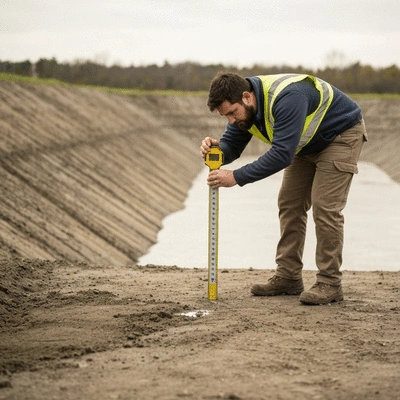
Let's explore some common challenges related to sediment control and discuss practical strategies to tackle them. By addressing these issues, we can enhance the longevity and efficiency of detention basins in managing stormwater.
Addressing Rapid Filling: Strategies for Efficient Sediment Trapping
One of the primary challenges in sediment management is rapid filling of detention basins. This issue can arise due to increased runoff from urban development or changes in land use. Implementing effective trapping mechanisms is essential to combat this problem. Here are a few strategies:
- Regular sediment assessments: Conducting periodic evaluations helps identify sediment accumulation rates and informs maintenance schedules.
- Utilizing sediment forebays: These smaller basins capture sediment before it enters the main detention basin, minimizing the load on the primary system.
- Implementing sediment traps: Installing barriers or structures that physically capture sediment can significantly reduce transport into the basin. The Mississippi Department of Environmental Quality provides guidance on various watershed protection measures, including sediment control.
- Designing for adequate storage: Ensuring the basin is sized correctly to handle expected sediment loads is crucial for long-term functionality.
By incorporating these strategies, we can enhance sediment trapping efficiency and ensure our basins remain operational for longer periods. This proactive approach not only saves on maintenance costs but also leads to improved water quality and flood management.
Erosion Control Techniques: Optimal Basin Geometry for Longevity
Erosion can significantly impact the stability of detention basins and the surrounding environment. To combat erosion, it's vital to consider the geometry of the basin during design. Here are some effective erosion control techniques:
- Gentle side slopes: Designing side slopes with a gradual incline reduces the likelihood of erosion and promotes vegetation growth.
- Vegetative stabilization: Planting native vegetation around the basin can help stabilize soil and reduce erosion risks.
- Rock riprap: Placing rocks or gravel along critical points can provide additional protection against erosive forces.
- Regular inspections: Keeping an eye on erosion-prone areas allows for timely interventions before issues escalate.
Implementing these techniques not only prolongs the lifespan of detention basins but also positively impacts surrounding ecosystems. I encourage you to assess your current designs and consider these erosion control strategies for better outcomes.
Impact of Flood Management on Sediment Transport in Basins
Flooding events can dramatically alter sediment transport dynamics within detention basins. Understanding this relationship is crucial for effective management. When floodwaters surge, they can carry large volumes of sediment, overwhelming basins designed for routine stormwater. To mitigate these effects, consider the following:
- Design for extreme weather events: Adjust your basin designs to accommodate larger flood events, ensuring they can handle unexpected sediment loads.
- Maintain downstream infrastructure: Properly functioning downstream systems help manage sediment transport and reduce backflow into basins.
- Monitor sediment movement: Using sensors and data analytics can provide insights into sediment transport patterns, helping refine management practices.
By proactively addressing sediment transport during flood events, we can enhance the resilience of our detention basins. As someone deeply invested in sustainable engineering practices, I believe it’s vital to integrate these considerations into our designs for improved stormwater management.
Frequently Asked Questions About Detention Basins and Sediment Management
- Q: What is the primary purpose of a detention basin?
- A: Detention basins are engineered structures designed to temporarily hold excess stormwater runoff during heavy rain events, gradually releasing it to prevent flooding and improve water quality.
- Q: Why is sediment management important for detention basins?
- A: Effective sediment management is crucial because sediment accumulation can reduce a basin's storage capacity and efficiency, hindering its ability to control flooding and improve water quality.
- Q: How does the catchment area affect detention basin design?
- A: The size, land use, soil types, and vegetation cover of the catchment area significantly influence the volume of runoff and sediment loads, directly impacting the required design and capacity of the detention basin.
- Q: What are some common challenges in controlling sediment in detention basins?
- A: Common challenges include rapid sediment accumulation, erosion and stability issues within the basin, and increased sediment transport during flood events.
- Q: What strategies can be used to prevent rapid filling of detention basins?
- A: Strategies include regular sediment assessments, utilizing sediment forebays to capture sediment before it enters the main basin, implementing sediment traps, and designing for adequate storage capacity.
- Q: What erosion control techniques can enhance the longevity of detention basins?
- A: Effective erosion control techniques include designing with gentle side slopes, vegetative stabilization using native plants, applying rock riprap in critical areas, and conducting regular inspections to address potential issues promptly.
Recap of Key Points
Here is a quick recap of the important points discussed in the article:
- Flood Mitigation: Detention basins help control flooding by storing excess stormwater runoff.
- Water Quality Improvement: They reduce pollutants in runoff by allowing sediment to settle.
- Effective Sediment Management: Design for sediment storage and implement regular maintenance to ensure functionality.
- Impact of Catchment Area: Larger catchment areas generate more runoff and sediment, affecting basin design.
- Rapid Filling Challenges: Strategies like sediment forebays and regular assessments can help manage sediment accumulation.
- Erosion Control: Gentle side slopes and vegetative stabilization are crucial for maintaining basin integrity.
- Flood Management Considerations: Design basins to accommodate extreme weather and monitor sediment movement for effective management.