Hydrologic Cycle and Flood Control

What if I told you that effective flood control hinges on understanding the hydrologic cycle? The interplay of precipitation, runoff, and infiltration shapes how we design detention basins to manage stormwater efficiently. Let's delve into the essential insights you'll gain from this exploration!
What You Will Learn
- The key components of the hydrologic cycle: precipitation, runoff, and infiltration, and their roles in effective stormwater management.
- The differences between detention and retention basins, and why understanding this distinction is critical for flood control.
- Essential design parameters for detention basins, including sizing, outlet structures, and the importance of incorporating green infrastructure.
- How to model hydrologic cycle components to design effective flood control systems using calculations and simulations.
- Best practices for maintaining detention basins to ensure their optimal performance over time.
- Future considerations in detention basin design to adapt to climate change and increasing precipitation intensity.
Detention Basins & Hydrologic Cycle: Key Components & Functions
This visual summarizes the essential components of the hydrologic cycle relevant to detention basins and their functional distinctions.
Hydrologic Cycle Components
- → Precipitation: Water fall from atmosphere.
- → Runoff: Water flowing over land.
- → Infiltration: Water seeping into ground.
- → Evapotranspiration: Evaporation + plant transpiration.
Detention vs. Retention Basins
Detention Basins
Temporarily hold water, controlled release.
Retention Basins
Maintain a permanent pool of water.
Key Design Parameters
- ‣ Sizing & Capacity: Based on peak flow.
- ‣ Soil Characteristics: Infiltration rates & drainage.
- ‣ Outlet Structure: Regulate water release.
The Role of Hydrologic Cycle Components in Flood Control with Detention Basins
Understanding how hydrologic cycle components interact is crucial for effective flood control, especially when utilizing detention basins. Have you ever wondered how rainwater transforms from precipitation into the water we manage? This cycle plays a significant role in how we design and implement stormwater management strategies, ensuring our communities are better equipped to handle excess water.
Through my experience, I've seen firsthand how essential it is to grasp these concepts. From precipitation to runoff, and even infiltration, each stage of the hydrologic cycle contributes to our overall water management approach. In this section, we'll explore these components in detail and their relation to detention basins, which serve as a vital tool in flood control.
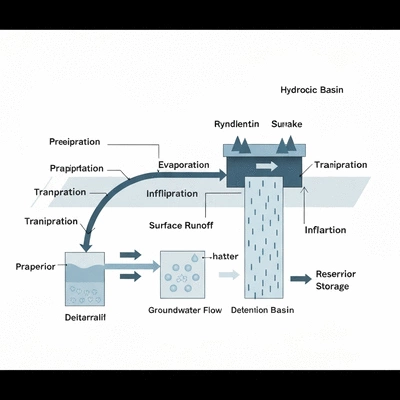
Understanding Basic Hydrology: Essential Components of the Water Cycle
To effectively manage stormwater, we first need to understand the fundamental components of the water cycle. The primary elements include:
- Precipitation: The process where water falls from the atmosphere to the ground as rain, snow, sleet, or hail.
- Runoff: Water that flows over land surfaces, often contributing to flooding in urban areas.
- Infiltration: The process by which water seeps into the ground, replenishing groundwater supplies.
These components work together to dictate how water behaves in our environment. For instance, understanding runoff dynamics helps us determine how much water a detention basin needs to handle during heavy rainfall events. This foundational knowledge is vital for anyone involved in designing effective stormwater management systems.
Defining Precipitation and Runoff Dynamics
Precipitation is often the first step in the hydrologic cycle, but not all precipitation reaches the groundwater. Some of it turns into runoff, which can overwhelm our drainage systems. It's essential to grasp how different surfaces—such as concrete and vegetation—affect this runoff. For example, impervious surfaces increase runoff, making effective detention basin design even more critical in urban areas.
This is where collaboration with municipal planners and engineers becomes essential. By analyzing rainfall patterns and understanding local topography, we can design basins that adequately capture and manage this runoff.
Infiltration Processes and Their Importance
Infiltration is a crucial process that replenishes our groundwater. However, various factors influence how effectively water can infiltrate the soil, including soil type, compaction, and vegetation cover. Understanding these dynamics allows us to create more effective detention basins. A basin designed with infiltration in mind can help recharge our groundwater supplies while also reducing surface runoff.
For instance, incorporating native vegetation around the basin can help enhance infiltration rates, which is a win-win for both stormwater management and local ecosystems!
The Role of Evapotranspiration in Water Management
Evapotranspiration is another vital component of the hydrologic cycle. It refers to the combined processes of evaporation from the ground and transpiration from plants. This process not only affects water availability but also influences our design considerations for detention basins.
By factoring in evapotranspiration rates, we can better predict how much water a basin will retain or release over time. This knowledge allows us to optimize our designs for flood control while promoting sustainable water management practices in our communities.
Detention Basins: Functionality and Design Considerations
Now that we've explored the basic hydrology concepts, let's focus on the functionality and design of detention basins. These structures are specifically engineered to manage stormwater runoff while also reducing flooding risks. Key points to consider include:
- Distinction from Retention Basins: Understanding the difference between detention and retention basins is critical. While detention basins hold water temporarily, retention basins are designed to maintain a permanent pool of water.
- Key Design Parameters: Factors such as sizing, storage capacity, and outlet structures greatly influence the effectiveness of detention basins.
- Incorporating Green Infrastructure: Utilizing sustainable practices, such as green roofs and permeable pavements, can enhance the performance of detention basins.
As we delve deeper into each of these considerations, it becomes clear that a well-designed detention basin not only mitigates flooding but also promotes environmental sustainability.
Distinguishing Detention Basins from Retention Basins
It's essential to distinguish between detention and retention basins. While both serve to manage stormwater, they function differently. Detention basins temporarily hold water, allowing it to be released at a controlled rate, whereas retention basins maintain a permanent pool of water. This distinction is crucial for effective flood management and informs design choices that I often emphasize in my work.
Understanding these differences ensures that we create the most suitable system for our specific flood control needs. For example, in urban areas where space is limited, detention basins may be the best choice to manage stormwater efficiently.
Key Design Parameters: Sizing and Storage Capacity
When designing a detention basin, several key parameters must be considered to ensure its effectiveness. The basin's size and storage capacity are primary factors that dictate how much water it can hold during a storm event. To determine these parameters, we assess:
- Peak flow rates: Estimating the maximum flow of water expected during storm events.
- Time of concentration: Calculating how quickly runoff will reach the basin from different parts of the watershed.
- Soil characteristics: Understanding how well the soil can absorb water and how quickly it can drain.
By carefully considering these factors, we can design detention basins that effectively mitigate flooding risks while ensuring optimal performance.
Incorporating Green Infrastructure in Detention Basin Design
The integration of green infrastructure into detention basin design adds an extra layer of functionality. Such practices not only enhance flood control but also promote biodiversity and improve water quality. Strategies include:
- Using native plants to stabilize soil and improve infiltration.
- Implementing bioswales to facilitate runoff filtration.
- Creating vegetated slopes to reduce erosion and enhance aesthetic appeal.
These additions make detention basins not just structures for flood management, but vital components of our urban landscapes. It's a holistic approach that I strive to advocate in my engagements with students and professionals alike!
Modeling Hydrologic Cycle Components for Effective Flood Control
To develop effective flood control strategies, we must be able to model the various components of the hydrologic cycle. This involves calculations and simulations that inform how our detention basins will perform under different scenarios. Key elements to focus on include:
- Design calculations: Evaluating peak flow and time of concentration for effective basin sizing.
- Drawdown time: Understanding how quickly water will exit the basin after a storm event.
- Outlet structure configurations: Designing components that regulate water release while preventing flooding.
These modeling efforts ensure that we create detention basins that are not only functional but also resilient against changing weather patterns and increased storm intensity.
Design Calculations: Peak Flow and Time of Concentration
When we talk about design calculations, two critical aspects stand out: peak flow and time of concentration. Peak flow refers to the highest rate of runoff during a specific storm event and is vital for sizing our detention basins effectively.
Understanding the time of concentration—the time it takes for runoff to travel from its furthest point in the watershed to the basin—helps us predict how quickly water will arrive at the basin. By accurately calculating these factors, we can tailor our designs to better handle extreme weather conditions!
Drawdown Time and Outlet Structure Configurations
Drawdown time is another essential concept in flood control modeling. It refers to the duration it takes for the basin to empty after a storm event. Adequate outlet structure configurations are crucial to managing this time effectively.
By designing outlets that regulate water flow, we can ensure that our detention basins release water at a controlled rate, minimizing downstream flooding risks. This is a smart strategy that I often incorporate into my projects to enhance stormwater management.
Utilizing Hydraulic Engineering Principles in Flood Mitigation
At the heart of effective flood mitigation lies hydraulic engineering. By applying principles of fluid mechanics, we can predict how water will behave within our detention basins. This includes understanding flow rates, pressure dynamics, and sediment transport.
Using these principles allows us to create systems that not only handle current flood risks but are also prepared for future challenges. A proactive approach to hydraulic design is vital for ensuring that our communities remain safe and resilient in the face of extreme weather.
Regulatory Guidelines and Hydromodification Management Strategies
It's essential to align our detention basin designs with regulatory guidelines to ensure compliance and effective management of hydromodification. Key strategies include:
- Post-project runoff control: Managing runoff levels after construction to mimic pre-development conditions.
- Flow-duration management: Balancing flow rates to protect downstream ecosystems.
- Floodplain zoning: Considering land use regulations that affect stormwater management.
Adhering to these guidelines helps us maintain our commitment to sustainable practices, ensuring that our designs are not only effective but also responsible!
Post-Project Runoff Control and Flow-Duration Management
After a project is completed, managing runoff effectively is vital to prevent flooding and protect local waterways. Implementing post-project runoff control measures allows us to maintain water quality and quantity at acceptable levels. For more information on managing stormwater, the EPA provides comprehensive guidelines for municipal separate storm sewer systems (MS4s).
Flow-duration management, on the other hand, focuses on maintaining controlled flow rates throughout the year. This dual approach ensures that we address both immediate and long-term stormwater challenges, ultimately benefiting our communities.
Matching Pre-Project Flow Regimes: Best Practices
To sustain the health of our ecosystems, it's important to match pre-project flow regimes. This means that our designs should strive to replicate the natural flow patterns observed before development. Best practices include:
- Conducting thorough hydrologic assessments.
- Utilizing detention basins to manage excess runoff.
- Incorporating features that promote natural infiltration.
These strategies help to protect local habitats and prevent the negative impacts associated with altered flow regimes.
Floodplain Zoning and Its Impact on Stormwater Management
Floodplain zoning plays a significant role in stormwater management. It involves regulating land use in flood-prone areas to minimize development impacts. By effectively zoning floodplains, we can:
- Reduce the risk of property damage from flooding.
- Protect vital ecosystems that depend on natural flow patterns.
- Enhance community resilience to climate change.
Incorporating these zoning regulations into our detention basin designs ensures that we are not only creating effective flood management systems but also promoting the overall health of our environments! The FEMA's National Flood Insurance Program provides a comprehensive guidebook on floodplain management.
Maintenance Practices for Optimal Detention Basin Performance
Once detention basins are constructed, regular maintenance is essential for optimal performance. Key maintenance practices include:
- Inspecting sediment forebays: Regularly checking these areas prevents sediment build-up that can impair functionality.
- Assessing vegetation health: Ensuring that plants are thriving supports infiltration and stabilization.
- Monitoring outlet structures: Keeping an eye on these components helps prevent clogs and ensures effective water release.
By prioritizing maintenance, we can extend the lifespan of our detention basins and promote their effectiveness in flood management.
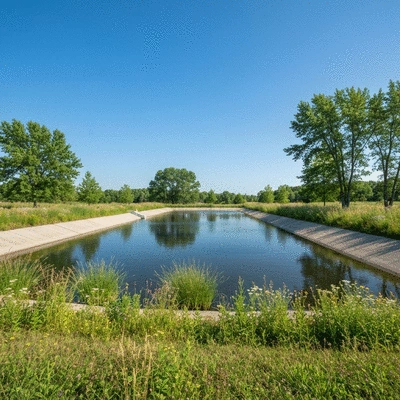
Importance of Sediment Forebays and Regular Maintenance
Sediment forebays are critical features of detention basins, as they trap sediment before it enters the main basin. Regularly maintaining these areas is essential for ensuring efficient operation.
By scheduling routine inspections and cleanings, we can maintain optimal performance and reduce the risk of flooding. It’s a simple yet effective approach to stormwater management that I always recommend!
Challenges of Low Infiltration Areas and Possible Solutions
In some regions, low infiltration rates can pose a significant challenge to detention basin effectiveness. However, there are several strategies we can employ to address this issue:
- Soil amendments: Enhancing soil composition can improve infiltration rates.
- Implementing rain gardens: These can serve as natural filtration systems that help manage runoff.
- Designing basins with varying depths: This allows for targeted infiltration in areas where conditions permit.
By adopting these solutions, we can improve the performance of detention basins in low infiltration areas, ensuring better flood control outcomes.
Case Studies: Evaluating Detention Basin Performance Across Different Conditions
To further understand the effectiveness of detention basins, it's beneficial to examine case studies that highlight their performance across various conditions. These evaluations can provide valuable insights and inform future designs. Key areas to explore include:
- Comparative analysis of outcomes by soil type: Understanding how different soil characteristics affect basin performance.
- Adapting designs for climate change: Learning from practical applications to enhance resilience.
- Watershed management impacts: Analyzing how different management practices influence detention basin effectiveness.
By studying these cases, we can continuously improve our designs and contribute to more effective stormwater management.
Comparative Analysis of Detention Basin Outcomes by Soil Type
Different soil types can dramatically influence how detention basins function. By conducting comparative analyses, we can determine which soil conditions yield the best performance outcomes. This knowledge helps us tailor basin designs to the specific needs of each site.
For example, sandy soils may allow for quicker infiltration, while clay soils might necessitate a larger storage capacity due to slower drainage. Understanding these dynamics is essential for effective flood control!
Adapting Designs for Climate Change: Lessons from Practical Applications
As climate change continues to alter our weather patterns, adapting detention basin designs is vital. Learning from practical applications in various regions can provide insights into how to improve our resilience against extreme weather events.
By incorporating lessons learned from past storms, we can design detention basins that are better equipped to handle increased rainfall and flooding risks, ensuring that our communities remain safe.
Watershed Management Impacts on Detention Basin Effectiveness
Finally, watershed management practices play a significant role in how effective our detention basins are. By analyzing these impacts, we can identify ways to enhance basin performance, such as:
- Implementing comprehensive watershed plans: Integrating various management strategies ensures a holistic approach.
- Promoting community engagement: Encouraging local involvement can lead to better stewardship of resources.
- Monitoring changes in land use: Adapting designs to account for evolving landscapes is crucial for future success.
By addressing these watershed management impacts, we can optimize the effectiveness of our detention basins and contribute to sustainable flood control solutions in our communities.
Frequently Asked Questions (FAQs)
Here are some frequently asked questions about detention basins and their role in flood control:
- What are the key components of the hydrologic cycle relevant to detention basins?
The key components include precipitation (water falling from the atmosphere), runoff (water flowing over land), infiltration (water seeping into the ground), and evapotranspiration (evaporation combined with plant transpiration). Understanding these elements is crucial for effective stormwater management. - What is the primary difference between a detention basin and a retention basin?
A detention basin temporarily holds stormwater and releases it at a controlled rate to prevent downstream flooding. In contrast, a retention basin is designed to maintain a permanent pool of water, which can also serve ecological and aesthetic purposes. - Why are design parameters like sizing and storage capacity important for detention basins?
These parameters are critical for ensuring the basin can effectively manage peak flow rates during storm events. Proper sizing prevents overflow and minimizes flood risks, while adequate storage capacity ensures enough water can be held until it can be safely released. - How does green infrastructure enhance the performance of detention basins?
Green infrastructure, such as native plants, bioswales, and permeable pavements, improves infiltration rates, stabilizes soil, reduces erosion, enhances water quality through natural filtration, and supports local biodiversity, making detention basins more effective and sustainable. - What maintenance practices are essential for optimal detention basin performance?
Regular maintenance includes inspecting and cleaning sediment forebays to prevent sediment buildup, assessing vegetation health to ensure stable soil and good infiltration, and monitoring outlet structures to prevent clogs and ensure controlled water release. - How can detention basin designs adapt to increased precipitation intensity due to climate change?
Adaptations include incorporating larger storage capacities, utilizing more resilient materials, and designing flexible outlet structures that can be adjusted based on real-time rainfall data. These measures help basins manage more frequent and severe rainfall events effectively. - What is the role of floodplain zoning in stormwater management?
Floodplain zoning regulates land use in flood-prone areas to minimize development impacts. It helps reduce property damage, protect vital ecosystems, and enhance community resilience by guiding where and how construction can occur in areas susceptible to flooding.
Pro Tip
To enhance the effectiveness of your detention basin, consider incorporating native vegetation around its perimeter. Not only does this improve infiltration rates, but it also supports local biodiversity and contributes to the overall health of the ecosystem. A well-planned landscape can transform a simple detention basin into a thriving habitat!
Future Considerations in Detention Basin Design and Management
As we look ahead in stormwater management, it's crucial to consider how detention basins can evolve to meet the challenges posed by climate change and increasing precipitation intensity. With my experience in environmental engineering, I can confidently say that these adaptations are not just beneficial; they are essential for effective flood control. Let's explore how we can design these structures for the future!
Designing Detention Basins for Increased Precipitation Intensity
One critical aspect of future detention basin design is integrating considerations for increased precipitation intensity. This means making adjustments that account for the reality of more frequent and severe rainfall events. Some recommended safety factors might include:
- Incorporating larger storage capacities to handle unexpected storm events.
- Utilizing more resilient materials that can withstand harsher weather conditions.
- Designing flexible outlet structures that can be adjusted based on real-time rainfall data.
These design adjustments will not only enhance the functionality of detention basins but also ensure that they remain effective over time. By proactively addressing these factors, we can help maintain water quality and prevent flooding in our communities. For a deeper understanding of the hydrologic cycle, consult resources like the USGS Water Science School.
Integrating Detention Basins into Multi-Benefit Green Infrastructure
The integration of detention basins into multi-benefit green infrastructure is another vital consideration for the future. This approach not only focuses on flood control but also aims to provide additional ecological and social benefits. When assessing trade-offs, we can consider:
- Habitat creation for local wildlife, enhancing biodiversity.
- Promoting groundwater recharge to support local ecosystems and drinking water supplies.
- Providing recreational spaces for communities, such as trails or parks around the basins.
By embracing these multi-benefit designs, we will not only improve flood management but also enrich our environments and communities at large. Implementing best management practices ensures that water quality is enhanced while allowing detention basins to serve multiple purposes.
Implementing Best Management Practices for Enhanced Water Quality
To achieve optimal performance from detention basins, adopting best management practices (BMPs) is crucial. These practices guide us in maintaining water quality and enhancing the effectiveness of our designs. Some effective BMPs include:
- Regular inspections and maintenance to remove debris and sediment.
- Utilizing vegetation for natural filtration and stabilization.
- Incorporating water quality monitoring systems to assess performance.
Utilizing these BMPs will not only keep our detention basins functioning at their best but also support the overall health of our watersheds. Together, we can foster environments that effectively manage stormwater while providing valuable community benefits.
Recap of Key Points
Here is a quick recap of the important points discussed in the article:
- Understanding the hydrologic cycle components—precipitation, runoff, infiltration, and evapotranspiration—is crucial for effective flood control.
- Detention basins temporarily hold stormwater, allowing for controlled release and reducing flood risks, distinct from retention basins that maintain a permanent water pool.
- Key design parameters for detention basins include sizing, storage capacity, and outlet structures, which are essential for effective flood management.
- Incorporating green infrastructure, such as native vegetation and bioswales, enhances the performance and ecological benefits of detention basins.
- Regular maintenance practices, including sediment management and vegetation assessments, are vital for ensuring optimal detention basin functionality.
- Adapting designs for future climate conditions, including increased precipitation intensity, is essential for sustaining flood control effectiveness.