Designing Outlet Structures in Basins
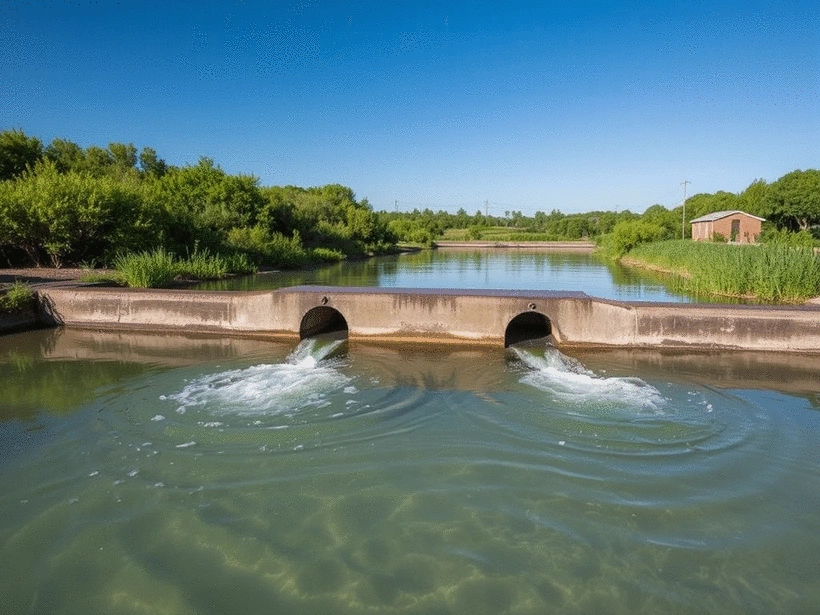
Have you ever noticed how a well-designed outlet can make all the difference during a heavy rain? Understanding the importance of outlet structures in detention basins is vital for effective stormwater management.
What You Will Learn
- Regulating Water Flow: Outlet structures control discharge rates, preventing downstream flooding.
- Enhancing Water Quality: They facilitate sedimentation, clarifying water before it re-enters the environment.
- Compliance with Regulations: Understanding stormwater management regulations is crucial for effective design.
- Best Management Practices (BMPs): Incorporating BMPs promotes sustainability in stormwater management.
- Community Engagement: Successful projects depend on community involvement and education.
Key Roles and Best Practices for Detention Basin Outlet Structures
This visual highlights the crucial functions of outlet structures in flood control and water quality, alongside essential best practices for their design and maintenance.
Role of Outlet Structures
- Regulating Water Flow: Prevents sudden surges downstream.
- Enhancing Water Quality: Allows sedimentation for clarification.
- Preventing Erosion: Controls release to protect streambanks.
- Facilitating Maintenance: Designed for easier upkeep and functionality.
Best Practices for Design
- Hydraulic Analysis: Understand flow dynamics for peak accommodation.
- Multi-Stage Designs: Allow for variable discharge rates.
- Regular Maintenance: Establish routine checks for clogs and condition.
- Prioritize Functionality: Handle anticipated storm events effectively.
Understanding the Importance of Outlet Structures in Detention Basins
When we think about flood control, outlet structures in detention basins might not be the first thing that comes to mind. However, these structures are crucial in managing stormwater runoff, protecting our communities from flooding, and improving water quality. Have you ever noticed how a well-designed outlet can make all the difference during a heavy rain? In this section, we’ll explore the significant roles that outlet structures play and how they contribute to effective stormwater management.
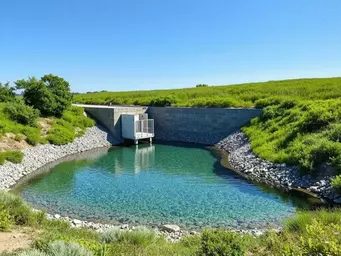
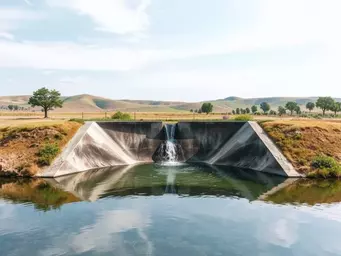
Essentially, outlet structures serve as the gatekeepers of stormwater. Their main responsibilities include regulating the rate of water release from detention basins and facilitating sedimentation and filtration processes. By managing the flow, they help minimize the risk of flooding downstream and reduce the pollution load entering our waterways. Understanding these roles is the first step toward appreciating the intricate design and functionality required in stormwater management.
Role of Outlet Structures in Flood Control and Water Quality Management
Outlet structures are pivotal for both flood control and maintaining water quality. Here are some key functions they perform:
- Regulating Water Flow: They control the discharge rates, thus preventing sudden surges downstream that can lead to flooding.
- Enhancing Water Quality: By allowing sedimentation, they help clarify water before it re-enters the environment.
- Preventing Erosion: Controlled water release reduces the risk of streambank erosion, protecting aquatic habitats.
- Facilitating Maintenance: Properly designed outlets allow for easier maintenance, which is crucial for their long-term functionality.
By recognizing these roles, we can better appreciate how well-designed outlet structures can lead to healthier ecosystems and safer urban environments. When I work with municipal planners, I emphasize that every detail counts in stormwater design, and outlet structures are no exception.

Regulatory Framework: Compliance with Stormwater Management Standards
As an environmental engineer, I often remind my colleagues and clients that compliance with stormwater management regulations is not just a checkbox but a vital necessity. Regulations can significantly influence the design and implementation of outlet structures. Adhering to these standards ensures that our designs effectively address potential flooding and water quality issues.
Key regulations to consider include:
- National Pollutant Discharge Elimination System (NPDES): This federal program governs stormwater discharges from construction sites and municipalities. You can find more information about BMPs for Sediment Basins and Rock Dams, which are often related to NPDES requirements.
- Local Stormwater Management Plans: Many municipalities have specific guidelines that dictate how stormwater must be managed, including outlet design requirements. For example, some counties provide comprehensive Detention Basin Design guidelines.
- Best Management Practices (BMPs): These are often outlined by local agencies to encourage sustainable practices in stormwater management.
Understanding these regulations allows us to design outlet structures that not only comply with legal requirements but also stand the test of time in functionality and environmental impact.
Environmental Regulations Impacting Outlet Design
In addition to general stormwater management standards, various environmental regulations specifically impact outlet design. These rules ensure that our designs are sustainable and considerate of the local ecosystem. Regulations can dictate aspects such as the size, materials, and even the placement of outlet structures.
- Clean Water Act: This act sets the framework for regulating discharges into waters of the United States, which directly impacts outlet design.
- Endangered Species Act: Considerations for local wildlife can influence design choices, ensuring that outlet structures do not disrupt habitats.
- Wetlands Protection: Regulations surrounding wetlands may require specific outlet designs to prevent adverse effects on these critical areas. For detailed insights on designing such structures, the Caltrans Detention Basins Design Guide offers comprehensive guidance.
As someone who is deeply invested in environmental engineering, I believe that incorporating these regulations into our designs not only leads to compliance but ultimately results in more sustainable and effective stormwater management solutions.
Pro Tip
To enhance the effectiveness of outlet structures in detention basins, consider implementing multi-stage designs. These allow for variable discharge rates, which can significantly improve water management during different storm events. By adapting the outlet’s functionality to varying conditions, you can better protect your community from flooding while ensuring improved water quality.
Frequently Asked Questions about Detention Basin Outlet Structures
Summarizing Key Takeaways from Outlet Structure Design
As we wrap up our exploration of outlet structures in detention basins, it's essential to highlight the best practices that can significantly impact the effectiveness of these systems. Understanding the nuances of outlet design not only strengthens flood control measures but also enhances water quality management. Here are some key takeaways to consider:
- Prioritize Functionality: Ensure that the outlet structure is designed to handle anticipated storm events without compromising performance.
- Maintain Accessibility: Design should include provisions for maintenance access and emergency spillways to address unexpected situations.
- Incorporate BMPs: Utilize Best Management Practices to promote sustainability in hydrology and environmental engineering.
By implementing these practices, we can foster greater resilience in our communities, making them more capable of handling stormwater effectively. The function of outlet structures goes beyond flood prevention; it also plays a crucial role in maintaining the overall health of our local water bodies.
Best Practices for Designing Effective Detention Basin Outlets
Designing effective detention basin outlets requires careful consideration of several factors. Here are some best practices to guide you:
- Hydraulic Analysis: Conduct thorough hydraulic modeling to understand flow dynamics and ensure that the outlet can accommodate peak flows.
- Multi-Stage Designs: Consider utilizing multi-stage outlet designs, which can enhance functionality by allowing for variable discharge rates.
- Regular Maintenance: Establish a routine maintenance schedule to check for clogs and assess the condition of the outlet structures.
By incorporating these best practices into your design approach, you can significantly reduce the likelihood of unexpected performance issues and promote long-term effectiveness.

Encouraging Ongoing Learning and Adaptation in Outlet Design Strategies
Stormwater management is an ever-evolving field, and it's crucial to stay informed about the latest trends and technologies. I encourage you to actively seek out opportunities for ongoing learning and adaptation in your outlet design strategies. Some effective ways to do this include:
- Attending Workshops: Participate in workshops and seminars led by industry experts to gain insights on innovative design approaches.
- Networking with Peers: Connect with other professionals in the field to share experiences and best practices.
- Research and Read: Keep up with recent publications and case studies to understand the impact of various design decisions.
By fostering a culture of continuous learning, we can help elevate our collective expertise in stormwater management and enhance the effectiveness of outlet structures.
Key Insights on Flood Mitigation Through Effective Outlet Structures
Ultimately, the goal of designing effective outlet structures is to mitigate flooding and protect our communities. Here are some key insights:
- Importance of Design Storms: Define the design storm accurately to ensure that the outlet can handle expected runoff.
- Community Impact: Well-designed outlets can significantly reduce the risk of flooding, safeguarding property and infrastructure.
- Environmental Protection: Properly functioning outlets contribute to better water quality, which benefits local ecosystems and public health.
By focusing on these insights, we can create outlet structures that not only serve their primary function but also enhance the overall sustainability of our stormwater management practices.
Join the Conversation on Outlet Structure Design
As we move forward, I invite you to join the conversation on outlet structure design. Your experiences, insights, and questions are invaluable to evolving our practices in stormwater management. Let's learn from each other and shape the future of this critical field!
Engage with Experts and Share Your Experiences
I encourage you to reach out to experts and engage in discussions about outlet structure design. Sharing your experiences can lead to new ideas and solutions that benefit us all. Whether it's through online forums, local meet-ups, or professional conferences, these interactions can spark innovation.
Resources for Further Learning and Development in Stormwater Management
For those looking to deepen their knowledge, there are numerous resources available:
- Webinars and Online Courses: Explore various platforms offering specialized training in stormwater management.
- Industry Publications: Subscribe to journals and newsletters that focus on the latest research and development in water management.
- Local Agencies and Workshops: Many municipal agencies offer workshops and resources tailored to community needs.
These resources can provide you with the tools necessary to further enhance your understanding and skills in this field.
Community Engagement Strategies for Successful Project Implementation
Successful stormwater management projects depend heavily on community involvement. Here are some strategies to encourage engagement:
- Host Informational Sessions: Organize community meetings to educate residents about the importance of outlet structures and stormwater management.
- Collaborate with Local Organizations: Partner with environmental groups to promote awareness and encourage volunteer participation in clean-up efforts.
- Utilize Social Media: Use social media platforms to share successes, updates, and educational content related to outlet structure designs.
By fostering community engagement, we can build a collaborative approach to stormwater management that benefits everyone involved. Let's keep the conversation going and strive for innovative solutions together!
Recap of Key Points
Here is a quick recap of the important points discussed in the article:
- Regulation of Water Flow: Outlet structures control discharge rates to prevent downstream flooding.
- Enhancement of Water Quality: They facilitate sedimentation, helping to clarify water before it re-enters the environment.
- Prevention of Erosion: Controlled water release reduces streambank erosion, preserving aquatic habitats.
- Compliance with Regulations: Adhering to stormwater management standards is essential for effective outlet design.
- Best Management Practices: Incorporate BMPs to promote sustainability in stormwater management.