Modeling Stormwater in Detention Basins

What if we told you that effective stormwater management could significantly reduce flooding and improve water quality in your community? Detention basins are engineered solutions designed to capture excess rainwater and manage stormwater runoff. Let's explore the key insights you’ll gain from understanding these vital structures.
What You Will Learn
- Detention basins play a critical role in flood mitigation by temporarily holding excess stormwater runoff.
- These structures improve water quality by allowing sediments and pollutants to settle before discharge.
- Properly designed basins contribute to groundwater recharge, supporting local aquifers.
- Key components of effective detention basins include inlet and outlet structures that control water flow.
- Innovations like green infrastructure enhance the functionality and environmental benefits of detention basins.
- Community engagement is essential for successful stormwater management and regulatory compliance.
Key Components and Future Trends in Detention Basin Design
This visual highlights the essential elements of an effective detention basin and emerging trends shaping stormwater management.
Key Components of Effective Detention Basins
- • Inlet Structures
- • Outlet Structures
- • Basin Bottom & Side Slopes
Future Trends in Stormwater Management
- • Green Infrastructure
- • Advanced Modeling Technologies
- • Community Collaboration
Benefits of Detention Basins
- • Flood Mitigation
- • Water Quality Improvement
- • Groundwater Recharge
Innovations in Green Infrastructure
- • Rain Gardens
- • Green Roofs
- • Urban Tree Canopies
Understanding Detention Basins for Stormwater Management
Have you ever wondered how communities manage heavy rainfall and prevent flooding? That’s exactly where detention basins come into play. In this section, we’ll explore what a detention basin is, its purpose, and its vital role in effective stormwater management. By the end, you’ll see how these structures are essential in safeguarding our communities from the adverse effects of stormwater runoff!
What is a Detention Basin and Its Purpose?
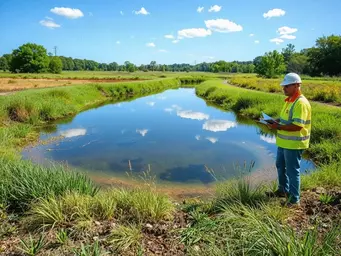
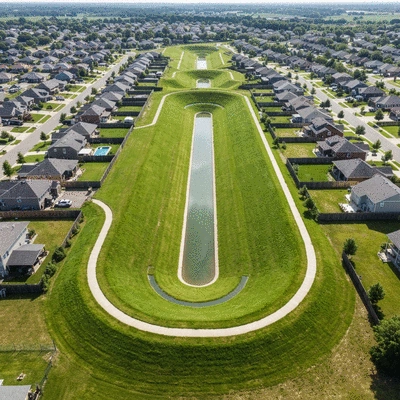
A detention basin is an engineered structure designed to temporarily hold excess stormwater runoff. This helps control the flow of water during and after rain events. Imagine a large bowl that collects rainwater, allowing it to percolate into the ground or be released slowly over time. This controlled release is crucial for protecting waterways from pollution and reducing the risk of flooding.
- Flood Mitigation: By capturing runoff, detention basins help prevent localized flooding.
- Water Quality Improvement: They allow sediments and pollutants to settle before water is discharged.
- Groundwater Recharge: A properly designed basin contributes to replenishing local aquifers.
Understanding the purpose of these basins is the first step toward recognizing their significant impact on our environment. They aren’t just big holes in the ground; they’re carefully planned systems that serve multiple benefits!
The Importance of Stormwater Runoff Management
Stormwater runoff management is vital for maintaining the health of our ecosystems. When rain falls, it can pick up pollutants and debris, which can then flow into rivers and lakes. This process can deteriorate water quality and harm aquatic life. Efficient management practices, including the use of detention basins, can drastically mitigate these effects. For further reading on the environmental impacts of stormwater runoff from urban areas, you can refer to this study on nature.com.
Moreover, effective stormwater management helps communities comply with regulatory guidelines. As an environmental engineer with over a decade of experience, I’ve seen firsthand how proper planning can lead to healthier urban environments. The importance of managing stormwater can’t be overstated; it’s essential for sustainable development!
Key Components of Effective Detention Basins
Creating an effective detention basin involves several key components. Each element plays a significant role in ensuring the structure functions optimally. Below are the primary components to consider:
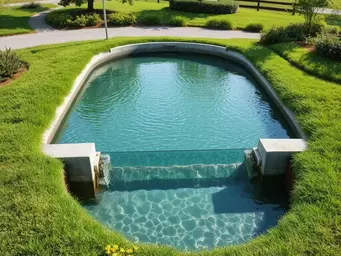
- Inlet Structures: These facilitate the entry of stormwater into the basin, designed to minimize erosion and maximize flow.
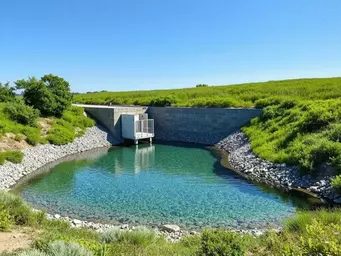
- Outlet Structures: They control the rate at which water leaves the basin, crucial for preventing downstream flooding.
- Basin Bottom and Side Slopes: Designed to promote sedimentation and filtration, enhancing water quality before it exits.
By integrating these components thoughtfully, engineers can design detention basins that effectively manage stormwater runoff. Each part works together to ensure that the basin operates efficiently and meets its intended purpose.
Hydrology Principles in Detention Basin Design
Understanding hydrology principles is critical in the design of detention basins. These principles guide engineers in predicting how water behaves during rainfall events. Factors such as local topography, soil type, and rainfall intensity must be considered to create a basin that can effectively manage runoff.
For instance, if a basin is placed in an area with steep slopes, it may require a different design compared to one on flat ground. This consideration ensures that water is not only captured but also managed in a way that minimizes potential flooding and erosion. A detailed case study on the design of stormwater management systems in urban areas can be found in this report from ECU Geography.
Role of Groundwater Recharge and Surface Water Management
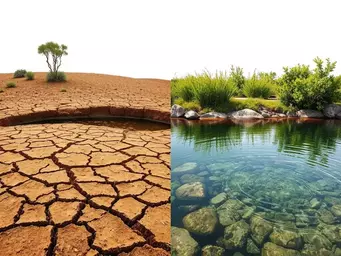
Another important aspect of detention basins is their role in groundwater recharge. By allowing stormwater to infiltrate into the ground, these basins help replenish aquifers, which is essential for maintaining water supply.
Additionally, effective surface water management promotes the health of nearby ecosystems. When designed correctly, detention basins can create habitats for various species, contributing to biodiversity in urban areas. This dual functionality underscores the importance of thoughtful design in stormwater management practices!
Engage with Us!
We want to know your thoughts! How does your community currently manage stormwater runoff? Are there practices that you believe could be improved? Share your insights and experiences below:
Frequently Asked Questions about Detention Basins
Here are some common questions about detention basins and their role in stormwater management:
- What is the primary function of a detention basin?
A detention basin's primary function is to temporarily store excess stormwater runoff during and after rainfall events, releasing it slowly to prevent flooding and improve water quality. - How do detention basins improve water quality?
Detention basins improve water quality by allowing sediments, pollutants, and debris to settle out of the water before it is discharged into natural waterways. - Can detention basins help with groundwater recharge?
Yes, properly designed detention basins allow stormwater to infiltrate into the ground, which helps replenish local aquifers and supports groundwater recharge. - What are the key components of an effective detention basin?
Key components include inlet structures to manage water entry, outlet structures to control discharge rates, and well-designed basin bottoms and side slopes for sedimentation and filtration. - What are some future trends in stormwater management?
Future trends include increased use of green infrastructure (e.g., bioswales, permeable pavements), advanced modeling technologies for real-time data, and greater community collaboration in planning. - Why is community involvement important in stormwater solutions?
Community involvement fosters collaboration, trust, and a sense of ownership over local water resources, ensuring that solutions are both technically sound and socially acceptable.
Summarizing Key Insights on Stormwater Management
Understanding the intricacies of stormwater management is vital for designing effective detention basins. As we explore the role of modeling, it's clear that accurate simulations help us predict how these systems will perform under various conditions. This predictive power enables engineers to make informed decisions that enhance basin design, ensuring optimal flood control and protection for our communities!
Modeling techniques provide essential data that influences critical design parameters. They allow us to visualize how stormwater flows through urban environments and assess the potential impacts of various interventions. By leveraging advanced technologies, we can fine-tune our designs to mitigate adverse effects and improve resilience to future storms.
The Role of Modeling in Effective Detention Basin Design
Modeling is central to understanding how stormwater interacts with detention basins. With various platforms available, engineers can simulate different rainfall events and evaluate how well a basin will manage runoff. This process involves several key steps:
- Inputting site-specific data, including topography and soil characteristics.
- Running simulations to analyze runoff patterns and peak flow rates.
- Adjusting designs based on simulation outcomes to enhance performance.
By utilizing these modeling techniques, we can ensure that our detention basins are not only functional but also sustainable. It's a proactive approach that helps address potential flooding issues before they arise!

Future Trends in Stormwater Runoff Management
The future of stormwater runoff management is bright, and I’m excited to share some upcoming trends that will shape our approach. As we face more extreme weather events due to climate change, staying ahead of these trends is crucial:
- Increased use of green infrastructure, such as bioswales and permeable pavements.
- Implementation of advanced modeling technologies that incorporate real-time data.
- Collaboration between municipalities, engineers, and the community to ensure comprehensive planning. For insights into the economic advantages of green infrastructure, you can read this article on Taylor & Francis Online.
These trends not only make our systems more effective but also promote environmental sustainability. By embracing innovation, we can improve how we manage stormwater runoff and its impact on our ecosystems!
Innovations in Green Infrastructure for Stormwater Solutions
Green infrastructure is becoming a game-changer in stormwater management. By integrating nature-based solutions, we can enhance the functionality of detention basins while also benefiting the environment. Here are some innovations to consider:
- Rain gardens that filter runoff and promote infiltration.
- Green roofs that reduce runoff and improve urban biodiversity.
- Urban tree canopies that intercept rain and help reduce heat islands.
Incorporating these green solutions not only improves stormwater management but also contributes to healthier communities. At Detention Basin Explained, we are passionate about these advancements and their role in sustainable engineering practices!
Engaging with Regulatory Compliance and Community Needs
Effective stormwater management must meet both regulatory requirements and community expectations. Understanding the legal landscape helps us design systems that are compliant while also serving public interests.
By fostering community engagement, we can create a sense of ownership over local water resources. This involvement ensures that our solutions are not only technically sound but also socially acceptable.
Understanding Local and Federal Stormwater Regulations
Navigating the regulatory landscape around stormwater management can be complex. Here are some key points to keep in mind:
- Local regulations often reflect specific community needs and environmental conditions.
- Federal standards, like those from the EPA, set baseline requirements for stormwater discharge.
- Compliance with regulations is crucial for maintaining funding and support for projects.
By being aware of these regulations, we can better align our designs with required standards and ensure successful implementations!
Encouraging Community Involvement in Stormwater Solutions
Community involvement is essential for effective stormwater management. Engaging residents in planning and decision-making processes fosters collaboration and trust. Here are some strategies to enhance community engagement:
- Hosting workshops to educate the community on stormwater issues.
- Creating opportunities for public feedback on proposed projects.
- Collaborating with local organizations to promote awareness campaigns.
These steps not only inform the public but also empower them to take action in their own neighborhoods! Together, we can create stronger, more resilient communities.
Assessing Environmental Impact and Community Engagement
Finally, assessing the environmental impact of our stormwater practices is a critical component of our work. It’s essential to establish metrics that measure success and areas for improvement. Here are some aspects to consider:
- Monitoring water quality before and after implementing stormwater solutions.
- Evaluating community satisfaction and engagement in local projects.
- Conducting environmental impact assessments to guide future projects.
By continuously evaluating our efforts, we can adapt and refine our strategies. Let's ensure our stormwater practices are not only effective but also beneficial for both the environment and our communities!
Call to Action: Improving Your Stormwater Management Practices
As we wrap up this section, I invite you to take a closer look at your own stormwater management practices. Are there areas where you can improve? By adopting best practices, we can all contribute to more sustainable water management solutions.
Resources for Further Learning and Engagement
To help you on your journey, here are some resources to explore:
- Webinars and workshops focused on stormwater management.
- Online courses about detention basin design and maintenance.
- Community organizations dedicated to environmental education.
Investing time in these resources will empower you to make informed decisions and enhance your understanding of stormwater management!
Join the Conversation on Sustainable Stormwater Solutions
We’d love to hear from you! Share your thoughts, experiences, and questions about stormwater management. Engaging in this conversation is a vital step toward innovation and community involvement. Let’s work together to develop sustainable solutions that benefit everyone!
Recap of Key Points
Here is a quick recap of the important points discussed in the article:
- Detention Basins: Engineered structures that temporarily hold excess stormwater to control flow and mitigate flooding.
- Key Components: Effective designs include inlet structures, outlet structures, and properly shaped basin bottoms for sedimentation.
- Groundwater Recharge: Detention basins help replenish aquifers by allowing stormwater to infiltrate into the ground.
- Modeling Techniques: Utilizing simulations to predict performance under various conditions informs effective design choices.
- Community Engagement: Involving residents in planning fosters collaboration and ensures that solutions meet local needs.