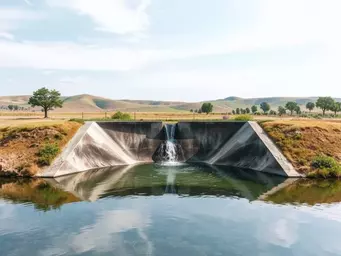
Flood Mitigation with Detention Basins

As urban areas face the increasing challenges of climate change, understanding effective stormwater management techniques becomes crucial. Detention basins are more than just structural solutions; they’re vital components in preserving our environment and enhancing community resilience.
What You Will Learn
- Detention basins serve as temporary storage for stormwater, reducing the risk of urban flooding.
- They release water at a controlled rate, helping to prevent downstream drainage system overload.
- These structures contribute to improved water quality by allowing sediments and pollutants to settle before water is released.
- Sustainable design in detention basins enhances community spaces and promotes local biodiversity through native vegetation.
- Community involvement in the design process ensures that detention basins meet ecological needs and local preferences.
- Regular maintenance and monitoring of detention basins are vital for optimal performance and longevity.
- Emerging technologies and innovative design methodologies promise to enhance the effectiveness of detention basins in urban flood management.
Detention Basins: Key Roles and Benefits
Detention basins are crucial for urban flood mitigation, offering multiple benefits for communities and the environment. Below is a summary of their core functions and advantages.
What Detention Basins Do:
- ✓Temporarily Store Water
- ✓Control Release Rate
- ✓Filter Pollutants & Sediments
Key Role in Stormwater Management
- ●Flood Mitigation
- ●Water Quality Improvement
- ●Ecological Benefits
Benefits of Sustainable Design
- ●Native Vegetation
- ●Enhanced Aesthetics
- ●Community Education
Cost-Benefit Analysis Factors
- ●Initial Investment vs. Savings
- ●Environmental Benefits
- ●Social Impacts & Safety
Case Study Takeaways
- ●Effective Design Features
- ●Community Involvement
- ●Regular Maintenance
Understanding Detention Basins: A Key Component of Urban Flood Mitigation
As an environmental engineer, I’ve witnessed firsthand the profound impact that detention basins have on urban flood mitigation. Picture a bustling city after a heavy rainfall—water pooling in the streets and causing chaos. This is where detention basins come in, acting as the city's stormwater management superheroes. But what exactly are they, and how do they work?
What Are Detention Basins and How Do They Work?
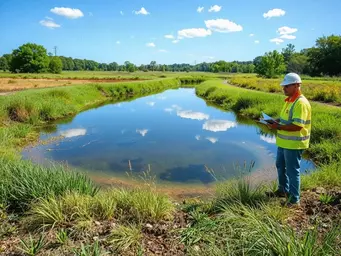
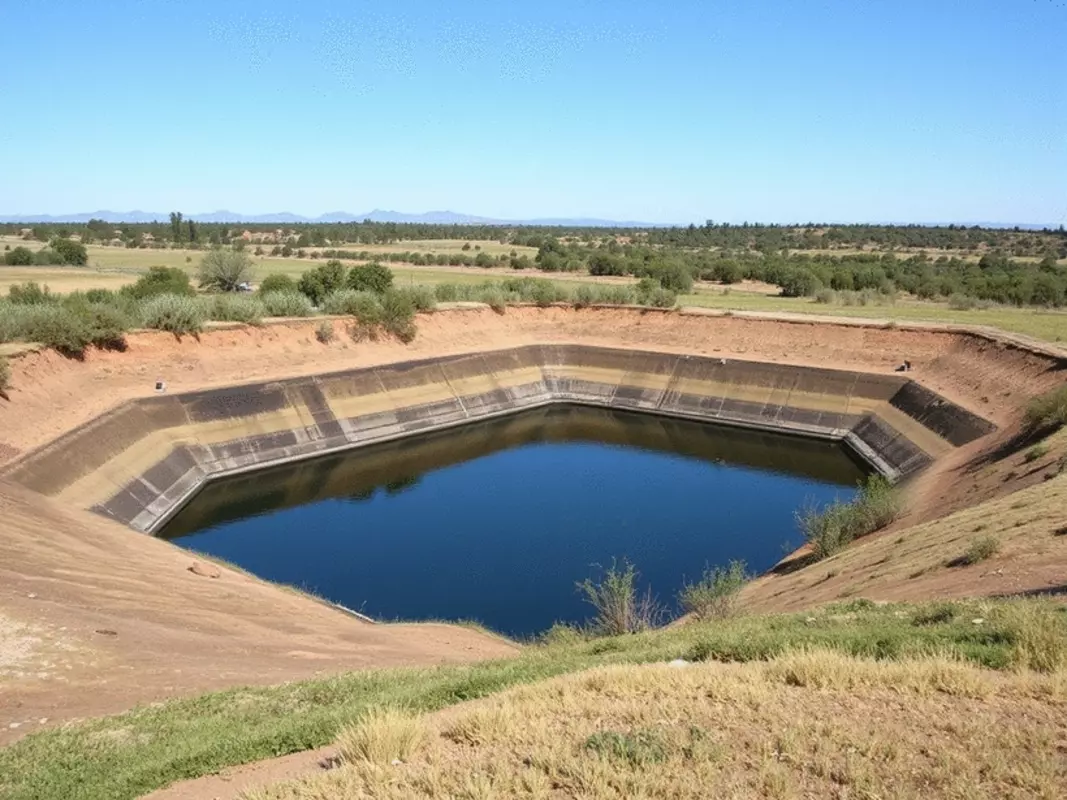
Detention basins are engineered structures designed to temporarily hold excess stormwater runoff. Think of them as large bowls that capture water during rainstorms, allowing it to gradually seep into the ground or be released in a controlled manner. This design, as described by the USDA Natural Resources Conservation Service, not only helps to reduce flooding but also plays a crucial role in improving water quality!
- Temporary Water Storage: Detention basins hold water during rain events.
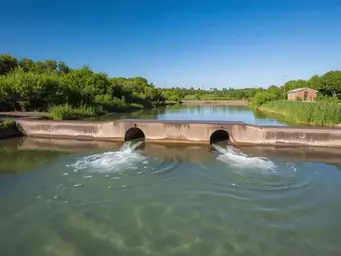
- Controlled Release: Water is released at a controlled rate to prevent overwhelming downstream systems.
- Filtration Process: As water sits in the basin, sediments can settle, and pollutants are filtered out.
- Community Protection: They mitigate flooding risks, protecting infrastructure and local ecosystems.
By allowing stormwater to linger, detention basins give nature a chance to filter and purify the water before it re-enters our streams and rivers. This not only benefits the environment but also enhances the overall health of our communities!

The Role of Detention Basins in Stormwater Management
Detention basins are integral to effective stormwater management strategies, especially in urban areas. With increasing development, cities face more challenges regarding water runoff and flood risks. The implementation of these basins serves multiple functions, creating a buffer for stormwater and reducing the likelihood of localized flooding. As highlighted by the Maine Department of Environmental Protection, these structures are critical for maintaining healthy ecosystems.
- Flood Mitigation: They prevent stormwater from overwhelming drainage systems.
- Water Quality Improvement: Enhanced filtration leads to cleaner water entering natural bodies.
- Ecological Benefits: They provide habitats for wildlife and promote biodiversity.
Moreover, effective stormwater management through detention basins fosters community resilience against climate change impacts. It’s exciting to see how these systems can be tailored to meet the unique challenges of different urban environments!
Key Benefits of Sustainable Design in Detention Basins
When we design detention basins with sustainability in mind, we create more than just flood mitigation tools. Sustainable design integrates natural elements that enhance not only the functionality of the basin but also the aesthetic and environmental value of the surrounding area.
- Native Vegetation: Planting native species stabilizes soil and promotes local biodiversity.
- Enhanced Aesthetics: Well-designed basins can create green spaces that beautify neighborhoods.
- Community Education: They serve as educational tools, raising awareness about stormwater management and environmental stewardship.
The benefits of investing in sustainable detention basin designs extend to community engagement as well. By involving local residents in the planning process, we can ensure that these solutions meet both ecological needs and community preferences. Who knows, your neighborhood might have its own detention basin that plays a vital role in flood management!
Pro Tip
To maximize the effectiveness of detention basins, consider integrating green infrastructure elements such as rain gardens and permeable pavements. These features not only enhance water infiltration but also improve the aesthetic value of the area, making it more inviting for community engagement and education about stormwater management.
Summarizing the Impact of Detention Basins on Urban Flood Management
Detention basins play a crucial role in urban flood management, acting as a buffer against excessive stormwater runoff. They not only help manage flood risks but also improve water quality and promote sustainable practices. By analyzing case studies from major cities, we can draw important insights into the effectiveness of these systems. As noted by Iowa Homeland Security and Emergency Management, effective flood control is essential for community safety.
For instance, cities like Harris County and Fargo have demonstrated how well-designed detention basins can alleviate flooding, protect infrastructure, and enhance community resilience. Through these examples, we can appreciate the significant benefits of implementing effective detention strategies in urban planning.
Key Takeaways from Case Studies of Major Cities
- Effective design features lead to improved flood control outcomes.
- Community involvement is essential for gaining public support and ensuring project success.
- Regular maintenance and monitoring significantly enhance basin performance.
- Integrating green infrastructure contributes to both flood mitigation and ecological health.
By focusing on these key takeaways, we can better understand how to implement similar strategies in other urban settings. The lessons learned highlight the importance of collaboration among engineers, planners, and local communities to create sustainable flood management solutions.

Future Directions for Detention Basin Implementations
As we look to the future, it’s clear that advancements in engineering and technology will further enhance the functionality of detention basins. New materials and design methodologies, including smart technology for monitoring water levels and basin performance, are on the horizon. These innovations hold the promise of more efficient flood mitigation techniques, tailored to meet the unique needs of different urban environments.
Moreover, embracing green infrastructure and sustainable practices will be pivotal. Integrating features like bio-swales and vegetated rooftops can create multifunctional basins that not only manage water but also enhance community spaces.
Evaluating Cost-Benefit Analysis in Flood Mitigation Projects
- Assessing initial investment versus long-term savings on flood damage repair.
- Considering environmental benefits such as improved water quality and increased biodiversity.
- Evaluating social impacts, including enhanced community resilience and public safety.
- Identifying funding sources and grant opportunities to support project implementation.
Conducting a thorough cost-benefit analysis is vital for securing support from stakeholders. It emphasizes not just the financial aspects but also the broader social and environmental gains that detention basins can provide. This holistic approach will ensure that our flood mitigation strategies are both effective and sustainable.
Frequently Asked Questions About Detention Basins
- What is the primary purpose of a detention basin?
- Detention basins are engineered structures designed to temporarily hold excess stormwater runoff and release it at a controlled rate to prevent urban flooding and downstream system overload.
- How do detention basins improve water quality?
- By temporarily storing stormwater, detention basins allow sediments and pollutants to settle out, thus filtering and purifying the water before it is released into natural bodies.
- What are the benefits of sustainable design in detention basins?
- Sustainable design incorporates elements like native vegetation to stabilize soil and promote biodiversity, enhances aesthetic appeal by creating green spaces, and serves as an educational tool for community awareness about stormwater management.
- Why is community involvement important in detention basin projects?
- Community involvement ensures that the design and implementation of detention basins meet local preferences and ecological needs, fostering public support and ensuring long-term success.
- What role do emerging technologies play in future detention basin implementations?
- Emerging technologies, such as smart monitoring systems for water levels and performance, promise to enhance the efficiency and effectiveness of detention basins, allowing for more tailored flood mitigation techniques.
Recap of Key Points
Here is a quick recap of the important points discussed in the article:
- Detention Basins: Engineered structures that temporarily hold excess stormwater to mitigate flooding and improve water quality.
- Flood Mitigation: They prevent stormwater from overwhelming drainage systems, protecting infrastructure and local ecosystems.
- Sustainable Design Benefits: Incorporating native vegetation and community involvement enhances both functionality and aesthetics.
- Community Resilience: Effective stormwater management through detention basins fosters resilience against climate change impacts.
- Cost-Benefit Analysis: Evaluating initial investments versus long-term benefits is crucial for project support and implementation.