Dry vs. Wet Detention Basins
Understanding the nuances between dry and wet detention basins is crucial for effective stormwater management. How does each type contribute to flood control and water quality? In this analysis, you'll discover the distinct roles they play in protecting our ecosystems and communities.
What You Will Learn
- Dry Detention Basins: Primarily designed for short-term flood control, effectively capturing stormwater runoff.
- Wet Detention Basins: Maintain a permanent water pool that enhances water quality and supports local biodiversity.
- Design Considerations: Each basin requires careful planning tailored to specific hydrological and environmental contexts.
- Importance of Community Engagement: Involving local stakeholders enhances acceptance and effectiveness of stormwater management solutions.
Dry vs. Wet Detention Basins: A Comparative Overview
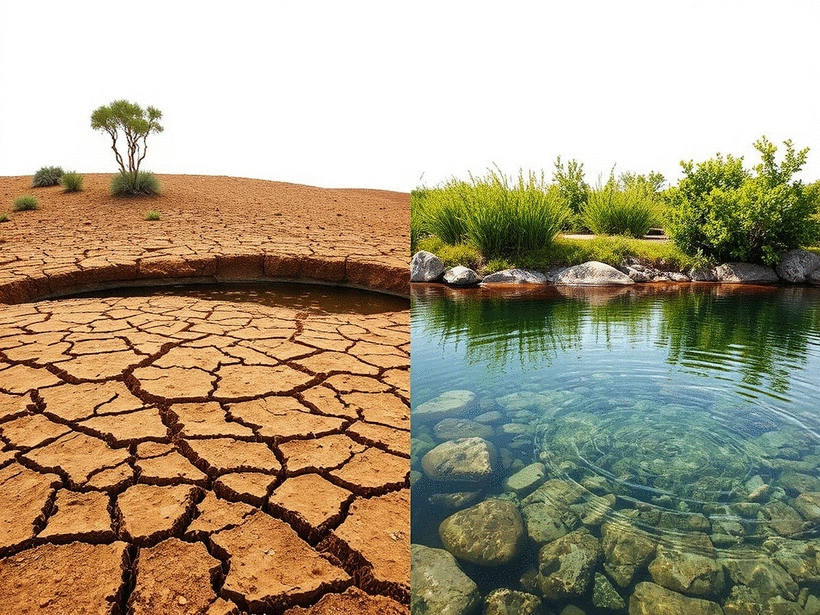
This visual highlights the key distinctions between dry and wet detention basins, outlining their primary functions, characteristics, and environmental impacts.
Dry Detention Basins
- • Core Characteristic: Temporary stormwater storage.
- • Primary Function: Flood control, reduces peak flow.
- • State Between Rains: Dry.
Wet Detention Basins
- • Core Characteristic: Permanent water pool.
- • Primary Function: Water quality enhancement, supports biodiversity.
- • State Between Rains: Permanent water.
Understanding Dry and Wet Detention Basins: Definitions and Key Differences
To effectively manage stormwater, it's essential to understand the different types of detention basins available. Specifically, dry and wet detention basins play pivotal roles in our efforts to control floodwaters and improve water quality. Here, I’ll break down their definitions and key differences, so you can better appreciate how these systems function in our communities.
What Are Dry Detention Basins?
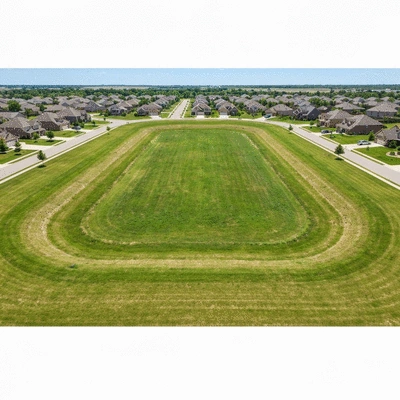
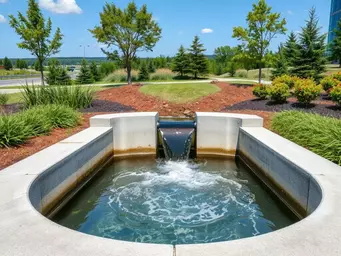
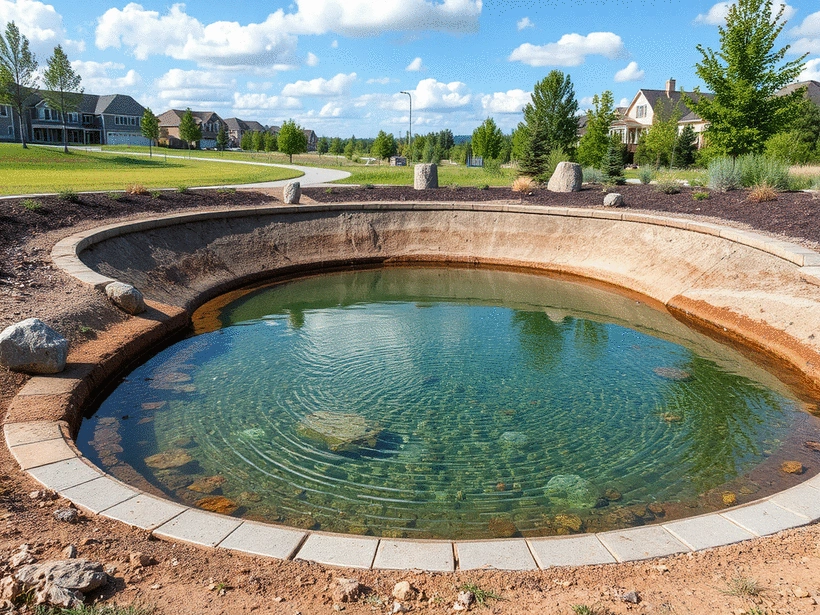
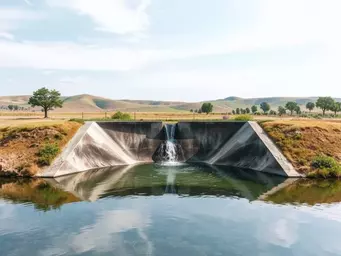
Dry detention basins are engineered structures designed to temporarily hold stormwater runoff. The primary goal of these systems is to manage peak flow during storm events. They do this by storing excess water and gradually releasing it at a controlled rate to reduce the risk of flooding downstream. For more detailed information on their design and function, refer to the EPA's guidance on dry detention ponds.
- Core characteristic: Temporary storage of stormwater runoff.
- Function: Reduces peak flow and flooding potential.
- Maintenance: Requires regular upkeep to ensure efficient operation.
These basins are typically dry between rain events, hence the name. This characteristic allows for easy maintenance and often makes them adaptable to various land uses, such as recreational spaces or wildlife habitats.
What Are Wet Detention Basins?
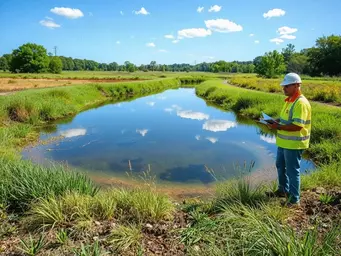
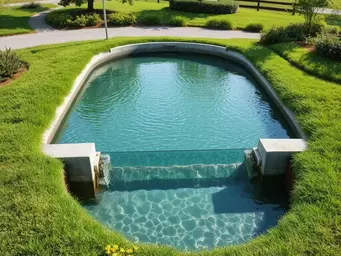
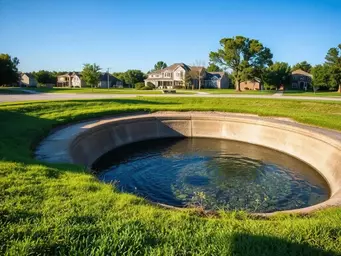
In contrast, wet detention basins are designed to maintain a permanent pool of water. This pool is crucial for improving water quality as it provides a habitat for aquatic life and facilitates natural processes that filter out pollutants from the stormwater. The EPA provides extensive resources on the benefits and design considerations for various stormwater management practices, including wet detention basins.
- Core characteristic: Permanent water pool.
- Function: Enhances water quality through sedimentation and biological processes.
- Benefits: Supports biodiversity and provides aesthetic value to the landscape.
Wet basins not only manage stormwater but also contribute significantly to ecosystem health by offering habitats for various species. This balance between functionality and ecological benefit is why they are often favored in urban planning.
The Fundamental Functions of Detention Basins
Flood Control: How Dry Basins Function
Flood control is a primary function of dry detention basins. When heavy rainfall occurs, these basins capture and hold stormwater, preventing it from overwhelming local drainage systems. By managing flow rates, they help mitigate flood risks downstream.
- Mechanism: Capture and temporarily store stormwater.
- Flow reduction: Gradually release water to lessen flood impact.
- Community benefit: Protects infrastructure and local ecosystems from flooding.
In my experience, the effectiveness of these systems in controlling floodwaters greatly depends on design considerations, such as basin size and landscape integration. This is where collaboration with municipal planners and engineers becomes critical.
Water Quality: The Role of Wet Basins
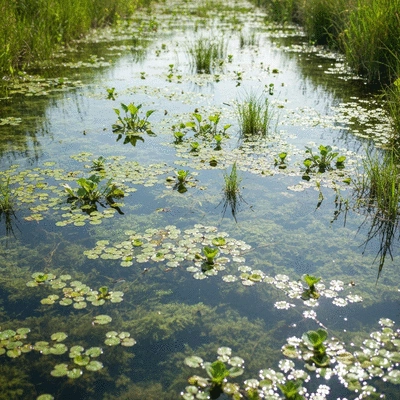
Wet detention basins significantly contribute to improving water quality. They act as natural filtration systems by allowing pollutants to settle and be broken down by aquatic organisms. This process plays a vital role in maintaining healthy waterways. Research, such as that published in PMC by NCBI, further explores the impact of green infrastructure on reducing stormwater runoff and improving water quality.
- Pollutant removal: Sedimentation and biological activity work hand-in-hand.
- Retention: Prolonged water residence times enhance filtration.
- Community relevance: Cleaner water benefits local ecosystems and human health.
Understanding the differences between these two systems is crucial for effective stormwater management. As we explore further, I encourage you to think about how your community utilizes these basins and the impact they have on local water quality.
Interactive Poll: Your Thoughts Matter!
As we explore the roles of dry and wet detention basins in stormwater management, we want to hear from you! Which aspect do you believe is more critical for your community's water management strategy?
Frequently Asked Questions (FAQs)
Summarizing Key Takeaways on Detention Basins
As we wrap up our discussion, it's important to highlight the critical differences between dry and wet detention basins. Dry detention basins primarily focus on flood control, offering temporary storage of stormwater to reduce peak flow rates. In contrast, wet detention basins maintain a permanent pool of water, which not only helps in flood management but also significantly improves water quality by allowing for pollutant removal over time. Each type serves a unique purpose depending on the specific hydrological and environmental needs of the area.
Understanding these distinctions can help engineers, planners, and community members make informed decisions that align with their stormwater management goals. It's not just about managing water; it's about doing it in a way that enhances our local ecosystems and communities!
Final Thoughts on Hydrology and Environmental Impact
In summary, both dry and wet detention basins play essential roles in effective stormwater management. Here are the key takeaways:
- Dry Detention Basins: Best for short-term flood control, capturing excess runoff.
- Wet Detention Basins: Enhance water quality and support biodiversity through permanent water pools.
- Design Considerations: Each system requires careful planning based on local conditions and intended outcomes.
- Community Engagement: Involving local stakeholders can lead to greater acceptance and better results.
Reflecting on these points can deepen our understanding of how to improve our water management practices, ultimately supporting healthier ecosystems and communities.
Call to Action: Further Research and Informed Planning
As you consider your next stormwater management project, I encourage you to delve deeper into the hydrological and environmental implications of your choices. Understanding the unique benefits and challenges of both dry and wet detention basins is a crucial step in effective planning. By doing so, we can design solutions that not only mitigate flooding but also enhance water quality and local habitats.
Let's work together to foster innovation in our approaches to managing stormwater. I invite you to explore further resources and engage in discussions that can lead to informed decision-making in our communities. Your involvement can make a difference!
Exploring Best Management Practices (BMPs) for Detention Basins
Implementing Best Management Practices (BMPs) can significantly increase the effectiveness of detention basins in addressing urban runoff and improving water quality. Here are some BMPs to consider:
- Regular Maintenance: Ensure basins are regularly cleaned and inspected to function optimally.
- Vegetative Filter Strips: Use native plants around basins to enhance filtration and provide habitat.
- Sediment Traps: Incorporate traps to capture sediment before it enters the basin.
- Seasonal Assessment: Evaluate basin performance during different seasons to identify areas for improvement.
By integrating these practices, we can greatly enhance the performance of detention basins, ultimately fostering sustainable stormwater management that benefits both our environment and communities.
Recap of Key Points
Here is a quick recap of the important points discussed in the article:
- Dry Detention Basins: Primarily focus on flood control, temporarily holding stormwater to manage peak flow rates.
- Wet Detention Basins: Maintain a permanent water pool that enhances water quality and supports biodiversity.
- Design Considerations: Careful planning based on local conditions is essential for both types of basins to achieve intended outcomes.
- Community Engagement: Involving local stakeholders can lead to greater acceptance and improved stormwater management results.
- Best Management Practices: Regular maintenance, vegetative filter strips, sediment traps, and seasonal assessments can enhance basin effectiveness.