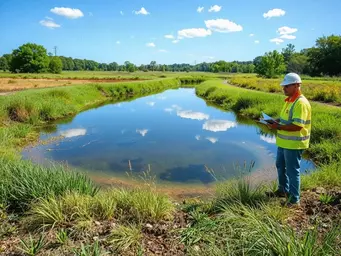
Detention Basin Design for Flood Control
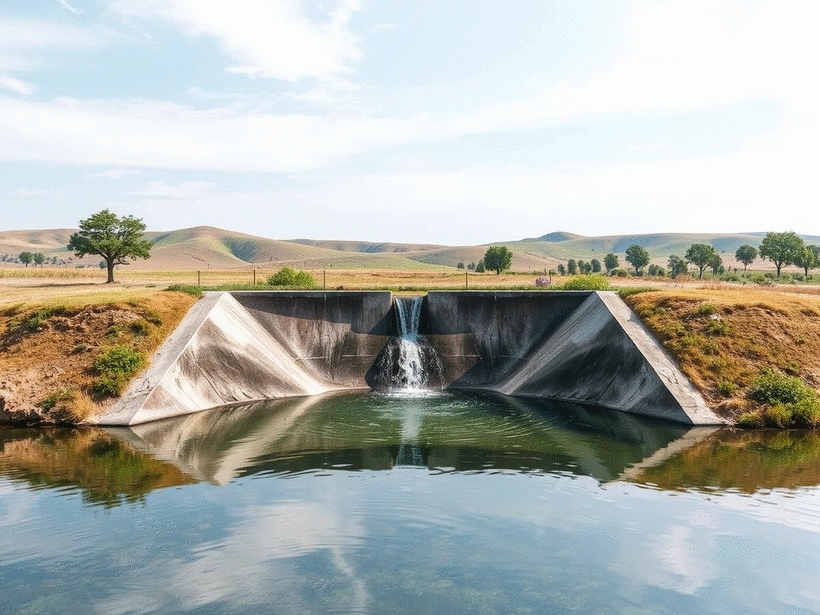
What if I told you that effective flood control could hinge on the design of a simple basin? Detention basins are integral to managing stormwater and mitigating flooding risks in our communities. Understanding their design and function is crucial for anyone involved in urban planning or environmental engineering.
What You Will Learn
- The primary function of detention basins is to capture and temporarily hold excess rainwater, which helps prevent flooding.
- Effective flood mitigation strategies can significantly reduce property damage and protect lives during heavy rainfall.
- Understanding local design standards is essential for engineers, planners, and developers to ensure compliance and effectiveness.
- Incorporating hydrologic modeling and sustainable practices into basin design enhances long-term performance and environmental benefits.
Detention Basin Stakeholder & Component Overview
This visual summarizes the key stakeholders involved in detention basin design and the essential components for effective flood control.
Key Stakeholders in Detention Basin Design
Engineers
Design & implement systems, ensure compliance.
Planners
Integrate basins into infrastructure projects.
Developers
Regulatory compliance, avoid costly redesigns.
Federal Agencies
(FEMA, EPA) Provide guidelines & regulations.
Essential Components for Effective Flood Control
Design Standards
Adhere to local & state regulations.
Hydrology Factors
Accurate water behavior prediction.
BMPs
Implement Best Management Practices.
Sustainable Practices
Use eco-friendly methods & materials.
Understanding Detention Basins: A Key Component for Flood Control in 2025
Flooding can be a devastating experience for communities, causing extensive property damage and posing serious risks to public safety. As an environmental engineer, I've seen firsthand how effective flood mitigation strategies rely heavily on the design and implementation of detention basins. These vital structures play a significant role in managing stormwater, helping to alleviate flooding and protect our waterways from pollution.

At Detention Basin Explained, we strive to demystify these essential components of stormwater management. Detention basins capture and temporarily hold excess rainwater, allowing it to gradually infiltrate into the ground or be released slowly, which reduces the immediate impact of stormwater on our communities. Understanding how they function is crucial for engineers, planners, and anyone involved in municipal flood control.
The Importance of Effective Flood Mitigation Strategies
Flood risks vary widely depending on geographical and climatic factors, making it essential to tailor flood mitigation strategies accordingly. Here are some of the key reasons why effective strategies are critical:
- Protecting Lives: Floods can lead to loss of life and injuries. Effective strategies help minimize these risks.
- Preventing Property Damage: Effective detention basins can dramatically reduce the potential for significant property damage during heavy rainfall, as highlighted in the Las Vegas Valley 2023 Flood Control Master Plan Update.
- Maintaining Water Quality: By managing stormwater runoff, detention basins improve water quality, protecting aquatic ecosystems.
Each of these points emphasizes the importance of integrating well-designed detention basins into our flood management frameworks. This is not just about preventing water from pooling in streets; it's about creating safer, healthier communities.
Who Needs to Know About Detention Basin Design Standards?
Understanding detention basin design standards is crucial for a variety of stakeholders who play a role in stormwater management. The main audiences include:
- Engineers: Professionals who design and implement these systems need to be well-versed in compliance and best practices, often consulting resources like the USDA's Investigation and Analysis Report for guidance.
- Planners: Municipal and urban planners should understand how detention basins fit into larger infrastructure projects.
- Developers: Those involved in construction must know these standards to avoid costly redesigns and ensure regulatory compliance, referring to documents such as the NC DEQ Stormwater Design Manual.
By engaging with these groups, we can foster a better understanding of detention basins and their critical role in effective flood control. This is especially important as we prepare for the challenges posed by climate change and urban development in the coming years.
Pro Tip
When designing detention basins, consider incorporating native vegetation around the basin's perimeter. Not only does this enhance biodiversity, but it also improves water quality by filtering pollutants before they enter the water system. Native plants are better adapted to local conditions and require less maintenance, making them an ideal choice for sustainable stormwater management.
Summarizing Key Takeaways on Detention Basin Design Standards
In our journey through the intricacies of detention basin design, we've uncovered the essential components that contribute to effective flood control. Here’s a quick recap of the critical elements that every engineer, planner, or developer should keep in mind:
- Design Standards: Familiarize yourself with local and state regulations that guide basin design.
- Hydrology Considerations: Incorporate accurate hydrologic modeling to predict water behavior.
- Best Management Practices (BMPs): Implement BMPs to maximize the environmental benefits of your designs.
- Sustainable Practices: Use sustainable materials and methods to enhance long-term performance.
Each of these elements plays a vital role in ensuring that detention basins serve their purpose effectively. As I reflect on my experience in environmental engineering, I can’t stress enough how important it is to integrate these components into our flood control strategies. Our communities depend on it!
Future Directions and Resources for Professionals
As we look ahead, staying informed is crucial for anyone involved in detention basin design. Engaging with up-to-date resources can guide your projects and improve your designs. Here are some steps you can take to enhance your understanding:
- Attend workshops and seminars focused on stormwater management.
- Consult the latest design manuals and regulatory guidelines.
- Engage with industry professionals for shared insights and innovations.
- Explore online courses that deepen your technical knowledge.
In my work with Detention Basin Explained, I’ve seen how continuous learning can lead to innovative solutions in engineering. I encourage you to embrace opportunities for growth within this field!
Engaging with the Community: Take Action Now
Join the Conversation: Share Your Thoughts and Experiences
Your experiences matter! I invite you to contribute to discussions around best practices in detention basin design. Whether you’re a seasoned engineer or a student exploring this field, sharing your insights can inspire others and foster a community of learning. What challenges have you faced? What strategies have worked for you?
Let’s create a dialogue that enriches our collective understanding of stormwater management. I’m eager to hear your stories!
Further Reading and Resources for Enhanced Knowledge
To keep advancing your skills and knowledge, here are some valuable resources:
- EPA Stormwater Management Guidelines
- FEMA Floodplain Management Resources
- ASCE Standards and Publications
- Interlocking Concrete Pavement Institute Resources
These resources will not only help you navigate the complexities of detention basin design but also keep you updated on the latest industry standards. I strongly recommend exploring them!
Understanding the Role of FEMA and the EPA in Flood Management
Finally, let’s explore the influential roles of FEMA and the EPA in shaping local detention basin standards. These federal agencies provide essential guidelines that impact how flood management strategies are implemented across the nation:
- FEMA’s floodplain management policies guide local governments in developing effective flood risk reduction strategies.
- The EPA offers regulations that ensure stormwater management practices comply with environmental standards.
- Engagement with these agencies can provide valuable insights and support for compliance and funding opportunities.
Understanding their influence can significantly enhance your projects, ensuring they align with broader federal strategies in flood management. Together, we can navigate the challenges of stormwater management more effectively!
Frequently Asked Questions about Detention Basins
What is the primary purpose of a detention basin?
The primary purpose of a detention basin is to capture and temporarily hold excess rainwater. This helps to prevent flooding by slowly releasing the water back into the environment or allowing it to infiltrate the ground, reducing the immediate impact of stormwater.
Who are the key stakeholders involved in detention basin design?
Key stakeholders include engineers who design and implement the systems, planners who integrate basins into infrastructure, developers who need to ensure regulatory compliance, and federal agencies like FEMA and EPA that provide guidelines and regulations.
Why are effective flood mitigation strategies important?
Effective flood mitigation strategies are crucial for protecting lives, preventing extensive property damage during heavy rainfall, and maintaining water quality by managing stormwater runoff and protecting aquatic ecosystems.
What are the essential components for effective flood control in detention basin design?
Essential components include adhering to local and state design standards, incorporating accurate hydrologic modeling, implementing Best Management Practices (BMPs), and utilizing sustainable practices and materials to enhance long-term performance.
How do FEMA and EPA influence detention basin standards?
FEMA (Federal Emergency Management Agency) guides local governments on floodplain management policies and flood risk reduction. The EPA (Environmental Protection Agency) provides regulations to ensure stormwater management practices meet environmental standards, impacting how detention basins are designed and implemented.
Recap of Key Points
Here is a quick recap of the important points discussed in the article:
- Effective Flood Mitigation: Integrate well-designed detention basins to minimize risks to lives and property during floods.
- Understanding Design Standards: Engineers, planners, and developers should familiarize themselves with local and state regulations guiding basin design.
- Hydrology Considerations: Accurate hydrologic modeling is crucial for predicting water behavior in stormwater management.
- Best Management Practices (BMPs): Implement BMPs to maximize environmental benefits and improve water quality.
- Sustainable Practices: Use sustainable materials and methods to enhance the long-term performance of detention basins.